 Save
Save The first time I made baked feta pasta, I wasn't chasing a trend—I was standing in my kitchen on a Tuesday evening, staring at a block of feta and wondering what to do with it. A friend had raved about this dish, and honestly, I was skeptical that something so simple could be so transformative. But when that feta came out of the oven, melted into a golden puddle surrounded by burst tomatoes and caramelized garlic, I understood immediately. It's the kind of dish that makes you feel like you've discovered something yourself, even though thousands of people already have.
I made this for my sister last summer when she was going through a rough patch, and she sat at my kitchen table pushing the pasta around on her plate for a moment before looking up and asking for the recipe. That's when I knew it wasn't just good—it was the kind of food that gets people talking, that makes them feel cared for. She's made it dozens of times since, and every time she texts me a photo, I smile.
Ingredients
- Feta cheese (200 g block): This is the star, so don't skip on quality—look for creamy, crumbly feta that's made from sheep's milk if you can find it, as it melts more beautifully than cow's milk varieties.
- Cherry tomatoes (500 g whole): Keep them whole; they burst and collapse into the sauce during baking, creating little pockets of concentrated tomato flavor that feel like discovering treasure.
- Sun-dried tomatoes in oil (100 g, drained and chopped): These add depth and tanginess that fresh tomatoes alone can't provide—don't skip them, and make sure you drain them well so you don't add extra oil.
- Garlic (3 cloves, thinly sliced): Thin slices will mellow and caramelize in the oven, giving you sweet garlic rather than sharp garlic—this matters more than you'd think.
- Red onion (1 small, thinly sliced, optional): I always add it for a subtle sweetness and color, though it's easy to leave out if you're keeping things minimal.
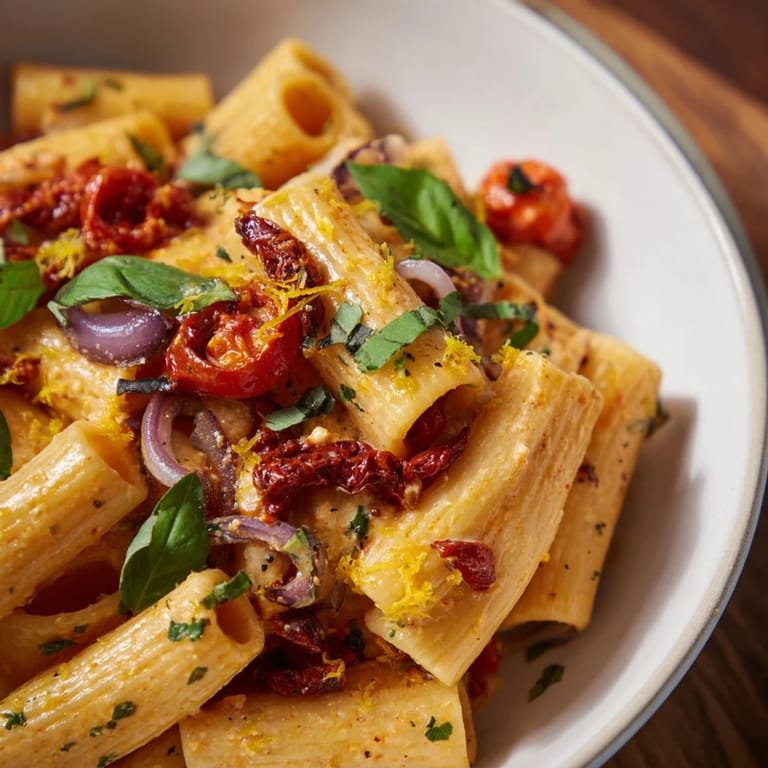
- Short pasta (350 g): Penne, fusilli, or rigatoni work best because they catch and hold onto the sauce—long pasta tends to slip right through.
- Extra-virgin olive oil (4 tbsp): Use something you'd actually want to taste on its own; this isn't the place to economize.
- Dried oregano and basil (1 tsp each): Mediterranean herbs that remind you why this dish tastes like a memory of somewhere sunny.
- Crushed red pepper flakes (½ tsp, optional): A whisper of heat that makes everything else taste sharper and more alive.
- Fresh basil (½ cup torn leaves): Added at the end, it stays bright and fragrant—don't cook it with everything else or you'll lose what makes it special.
- Salt, black pepper, and optional garnishes: Finish with Parmesan and lemon zest if you want, but honestly, the dish is complete without them.
Tired of Takeout? 🥡
Get 10 meals you can make faster than delivery arrives. Seriously.
One email. No spam. Unsubscribe anytime.
Instructions
- Get your oven ready:
- Heat it to 200°C (400°F) and give it a minute to settle into temperature. You want real heat when those tomatoes go in.
- Build the base:
- In your baking dish, combine the whole cherry tomatoes, chopped sun-dried tomatoes, sliced garlic, and red onion if using. Drizzle with 3 tablespoons of olive oil, then scatter the oregano, basil, and red pepper flakes over everything. Give it a gentle toss so all the tomatoes are coated and the seasonings are distributed. The oil will look modest now, but it's going to become a sauce.
- Crown it with feta:
- Place your block of feta right in the center of the dish, like it's the star of a very small, delicious stage. Drizzle the remaining tablespoon of oil over the top—this keeps the cheese from drying out and helps it melt evenly.
- Let the oven work:
- Bake for 30 to 35 minutes until the tomatoes burst open and collapse, and the feta is golden and soft enough that a fork slides through it easily. The kitchen will smell incredible, and you'll find yourself peeking in the oven more than once.
- Start your pasta:
- While the feta and tomatoes are baking, bring a large pot of salted water to a rolling boil and cook your pasta according to the package instructions. A minute before it's fully done, reserve a half cup of the starchy pasta water, then drain everything else. That starchy water is your secret weapon for bringing the whole dish together.
- Make the sauce:
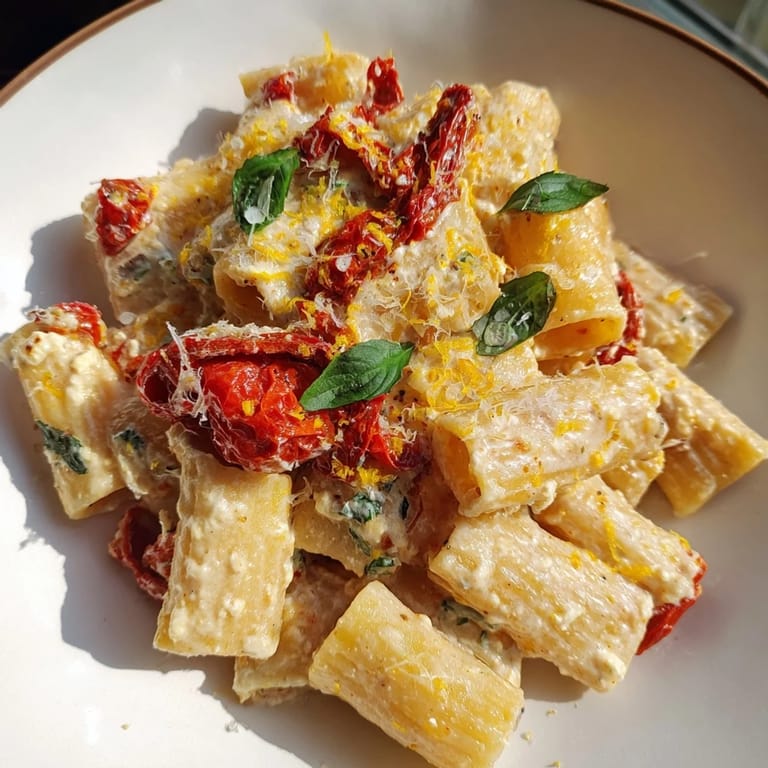
- Pull the baking dish from the oven and let it cool just enough that you can handle a fork without wincing. Using the fork, mash the feta and tomatoes together right there in the dish—you're not making a smooth sauce, but rather a creamy, chunky mixture where the feta breaks apart and mingles with the sweet, soft tomatoes.
- Bring it all together:
- Add the drained pasta and a splash of that reserved pasta water to the baking dish. Toss everything gently but thoroughly, adding more pasta water as needed until the sauce coats each piece of pasta. The starch from the water helps the sauce cling to the pasta instead of pooling at the bottom.
- Finish with brightness:
- Tear in the fresh basil, taste it, and adjust the salt and pepper if needed—the feta is already salty, so go easy. If you want, top with grated Parmesan and lemon zest, but don't feel obligated.
 Save
Save My neighbor knocked on my door one evening with a question about her tomato plants—she'd grown too many cherry tomatoes, and they were piling up on her counters. I gave her this recipe written on a scrap of paper, and three days later she stopped by with a container of it, still warm. We stood in my doorway and ate it straight from the container with forks, and she told me she'd already made it twice. That's when I realized this recipe had become more than dinner; it was a bridge between people.
Why This Works So Well
The genius of this dish is that it lets ingredients speak for themselves without apology. There's no cream to hide behind, no complicated technique to master—just quality ingredients allowed to become something greater together. The feta doesn't just melt; it becomes the base of a sauce. The tomatoes don't just soften; they burst and collapse into something concentrated and caramelized. When I first made it, I expected to need to add something, to fix something, but there was nothing to fix. The oven does almost all the work, and you get to stand there smelling garlic and tomatoes, knowing something good is happening.
Variations and Swaps
Once you've made this a few times, you start seeing endless possibilities. Kalamata olives scattered over everything at the end add a briny punch that pairs beautifully with the feta. Toasted pine nuts give you texture and a subtle richness. Some people add a pinch of crushed red pepper flakes to the tomatoes before baking; others prefer to keep it gentle. I once added a handful of spinach to the pasta just before mixing it all together, and it wilted perfectly into the warm sauce. You could use vegan feta if you're cooking for someone who doesn't eat dairy, or swap the pasta for chickpea pasta if you're looking for more protein. The bones of this dish are strong enough to handle adjustments—it's forgiving without losing its identity.
The Best Way to Serve It
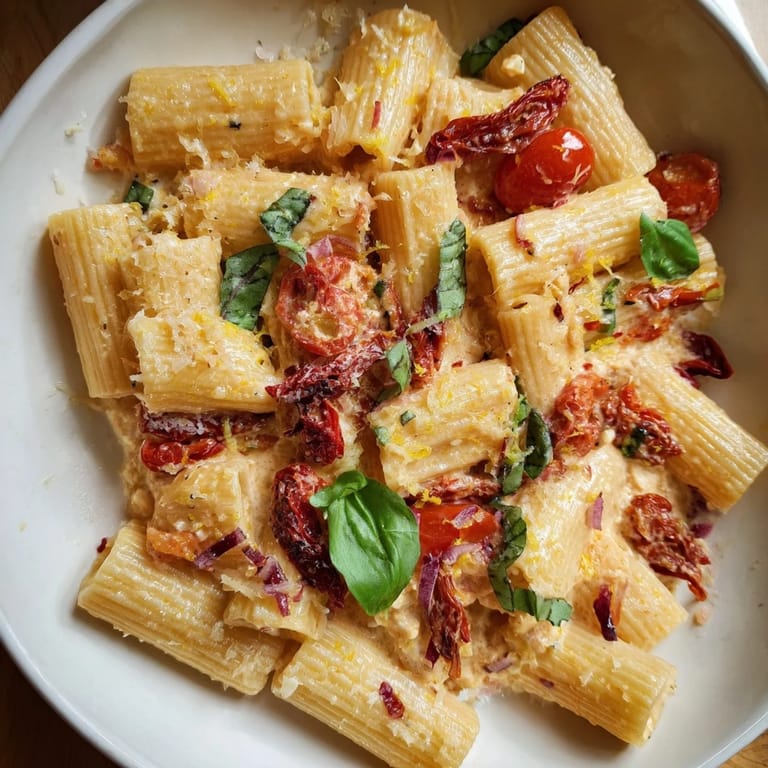
Serve it hot, straight from the baking dish if you want to be casual about it, or scoop it onto warm plates if you're trying to impress. Either way, eat it while the feta is still creamy and the pasta is still steaming. I've tried reheating leftovers, and while it's still good, there's something about eating it immediately after cooking that makes it taste like a small celebration.
- A glass of crisp white wine—something unoaked and bright—is practically mandatory alongside this.
- Crusty bread for wiping up every last bit of the sauce is not optional; it's essential.
- Fresh salad on the side, if you need something green to feel balanced about the richness, though honestly the dish is complete on its own.
 Save
Save This recipe has become one of those dishes I make when I want to feel capable, when I want to feed someone well without fussing, when I want a moment of simplicity in a complicated life. Make it once, and you'll understand why it went viral—make it a few times, and it becomes yours.