 Save
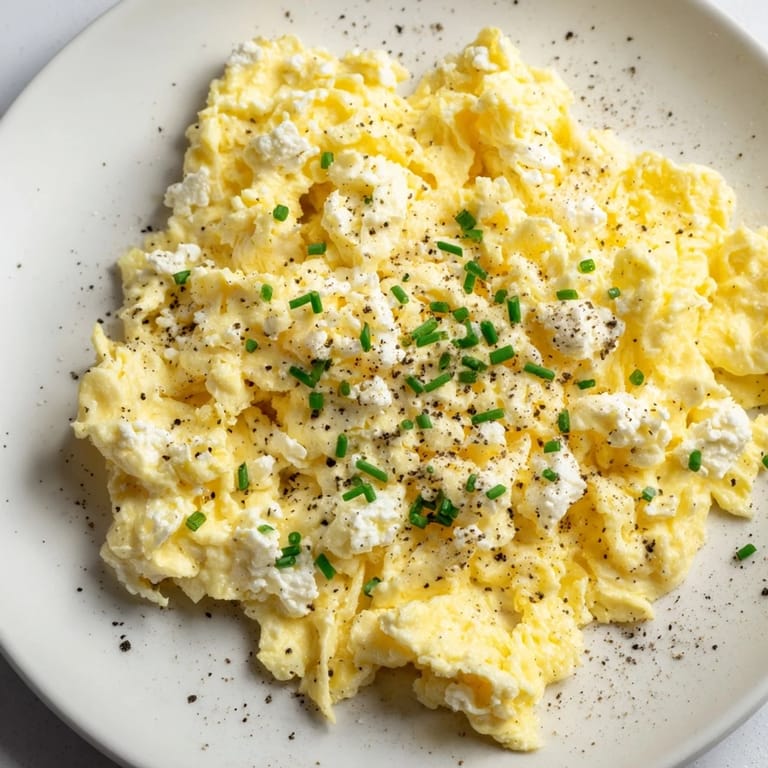
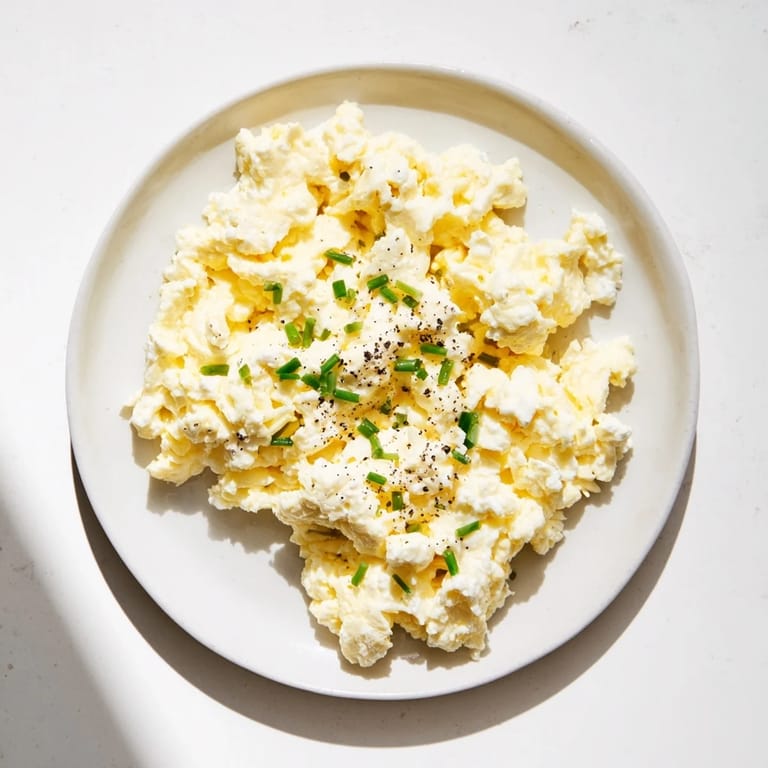
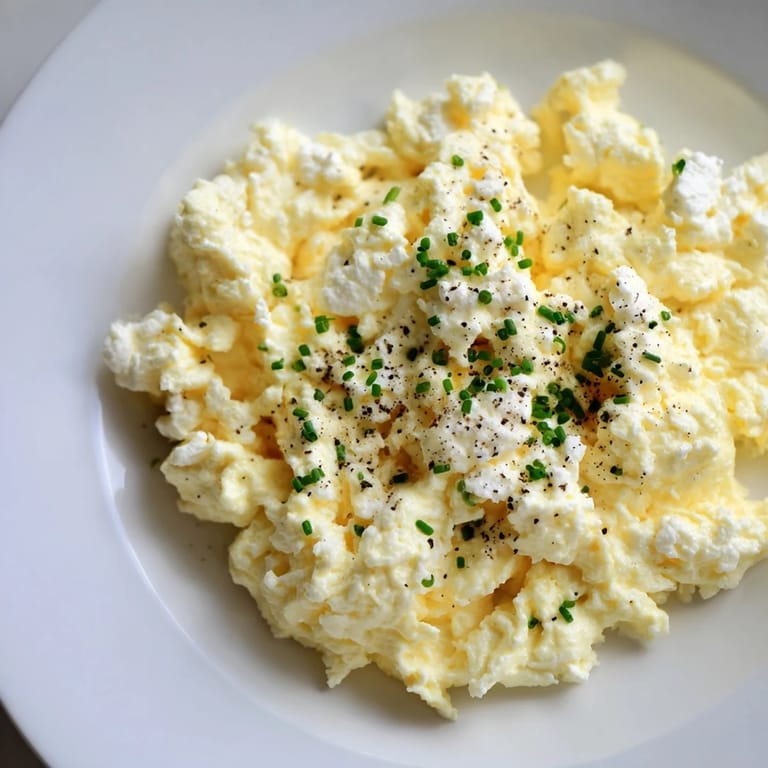
Save There was a morning when my usual scrambled eggs felt boring, so I grabbed a container of cottage cheese from the fridge thinking it might add something interesting. That first creamy, fluffy bite changed how I thought about breakfast entirely. The cottage cheese didn't disappear into the eggs—it created these delicate pockets of richness and texture that made everything taste somehow both lighter and more satisfying at once. Now I make them this way almost every week, and I've converted at least three skeptical friends who couldn't imagine cottage cheese in their eggs until they tasted it.
I made this for my sister last Sunday, and she kept asking how I made them taste so creamy when they were barely cooked. The secret is patience and knowing when to stop—most people overcook scrambled eggs, but cottage cheese eggs are actually better when they're still slightly soft on the plate. Watching someone discover that texture for the first time is oddly satisfying.
Ingredients
- Eggs: Use large eggs for the best flavor and texture, and make sure they're at room temperature if possible—they'll blend more smoothly with the cottage cheese.
- Cottage cheese: Full fat is essential here; low-fat versions can make the eggs taste thin and watery, and you want those pockets of creaminess throughout.
- Milk or cream: Just a tablespoon helps the mixture stay creamy while it cooks and prevents it from becoming rubbery.
- Salt and black pepper: Don't skip the freshly ground pepper—it's the difference between these tasting home-cooked and tasting like nothing special.
- Unsalted butter: This gives you control over the final salt level and browns just slightly, adding flavor without overpowering the delicate eggs.
- Chives or parsley: A small handful of fresh herbs makes them feel intentional and adds a brightness that cuts through the richness beautifully.
Tired of Takeout? 🥡
Get 10 meals you can make faster than delivery arrives. Seriously.
One email. No spam. Unsubscribe anytime.
Instructions
- Combine everything in a bowl:
- Whisk the eggs, cottage cheese, milk, salt, and pepper together until the mixture looks slightly frothy on top and the cottage cheese is mostly broken down but still has small, tender curds visible. Don't overwork it—you want some texture, not a completely smooth puree.
- Heat your pan gently:
- Melt the butter over medium-low heat until it's foaming softly and just starting to smell nutty. This lower temperature is key because it gives you time to achieve that creamy texture without scrambling the eggs too fast.
- Let the mixture settle:
- Pour the egg mixture into the pan and resist the urge to touch it for about 20 seconds—this helps a thin set form on the bottom that gives the whole dish structure.
- Stir gently and constantly:
- Using a spatula, push the mixture slowly from the edges toward the center, letting uncooked egg flow to the hot pan edges. Work slowly and deliberately; aggressive scrambling breaks up the cottage cheese curds and makes them denser.
- Remove when still creamy:
- Pull the pan off the heat when the eggs look barely set but still slightly wet on top—this is the hardest part to learn because they'll continue cooking a bit after you stop. Trust that this is the right moment.
- Plate and garnish:
- Transfer immediately to your plate and scatter fresh chives or parsley over the top while the eggs are still warm. The heat slightly wilts the herbs and releases their flavor.
 Save
Save My neighbor watched me make these one morning through the kitchen window and ended up staying for breakfast. She texted me the recipe request that evening, and now when I run into her at the market, she tells me it's what she makes for her kids on school mornings. It's become one of those small things that connects us.
The Science of Cottage Cheese Eggs
Cottage cheese isn't just a flavor addition—it actually changes how eggs cook. The curds absorb heat more slowly than pure egg would, which creates those little pockets of creaminess. The milk fat and the structure of the curds themselves prevent the eggs from becoming rubbery even if they sit on the pan a few seconds too long. I learned this accidentally when I overcooked a batch and was shocked they were still soft, and now I understand why this method is so forgiving compared to regular scrambled eggs.
Building Flavor and Texture
The beauty of this recipe is how adaptable it is without needing to change the base formula. I've added everything from crumbled feta to crispy bacon bits, and the eggs always absorb the flavor while staying fluffy. The key is respecting the cooking temperature—higher heat will ruin the delicate texture no matter what you add to it. Think of medium-low heat as the one non-negotiable rule.
Serving and Storage Tips
These eggs are best served immediately while they're still warm and the texture is at its peak. Leftover cottage cheese scrambled eggs don't reheat well because the gentle cooking method doesn't create a structure that holds up to reheating. These are truly a fresh-made breakfast kind of dish, which is part of why they're so perfect for busy mornings—you make them when you need them.
- Pair them with whole-grain toast and a smear of avocado for a complete breakfast with healthy fats and fiber.
- Try adding sautéed spinach or roasted tomatoes while the eggs are still cooking for extra vegetables and flavor.
- Leftover cottage cheese keeps for a week, so this is a smart way to use it up before it goes bad.
 Save
Save These eggs taught me that breakfast doesn't have to be complicated to be satisfying, and that the smallest ingredient twists can make something feel entirely new. I make them when I want to feel good about what I'm eating without any fuss.
Recipe FAQ
- → How does cottage cheese affect the texture?
Cottage cheese adds creaminess and moisture, making the eggs extra fluffy and soft without altering the delicate flavor.
- → Can I use low-fat cottage cheese?
Yes, but full-fat cottage cheese will yield a richer and creamier texture.
- → What’s the best cooking method for soft eggs?
Cook over medium-low heat, stirring gently to keep the eggs tender and prevent dryness.
- → Are there suggested garnishes?
Chopped chives or parsley add a fresh, herbaceous touch and brighten the dish.
- → Can I add other flavors?
Try folding in sautéed spinach, tomatoes, or smoked salmon for additional taste and texture variations.