 Save
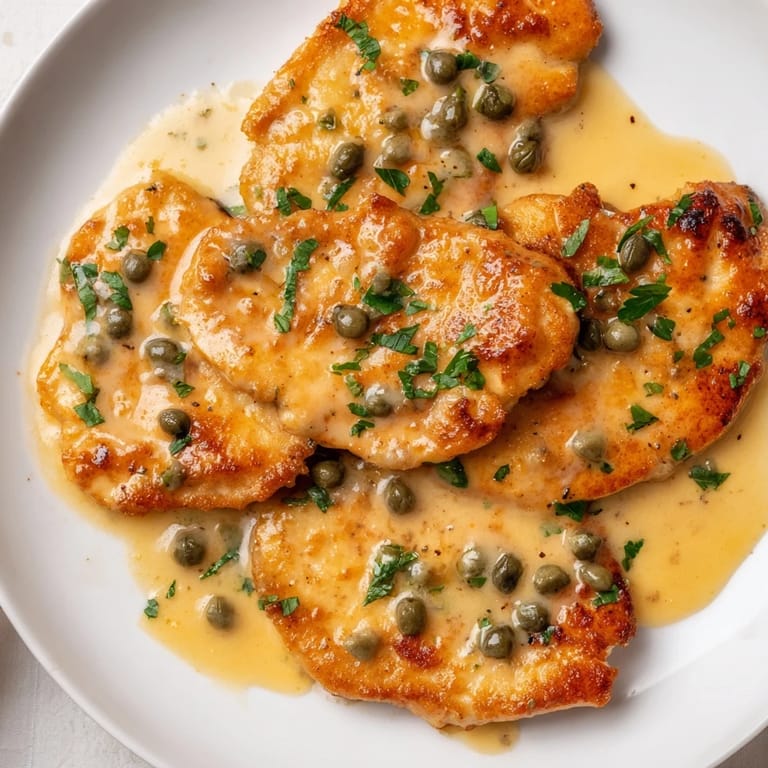
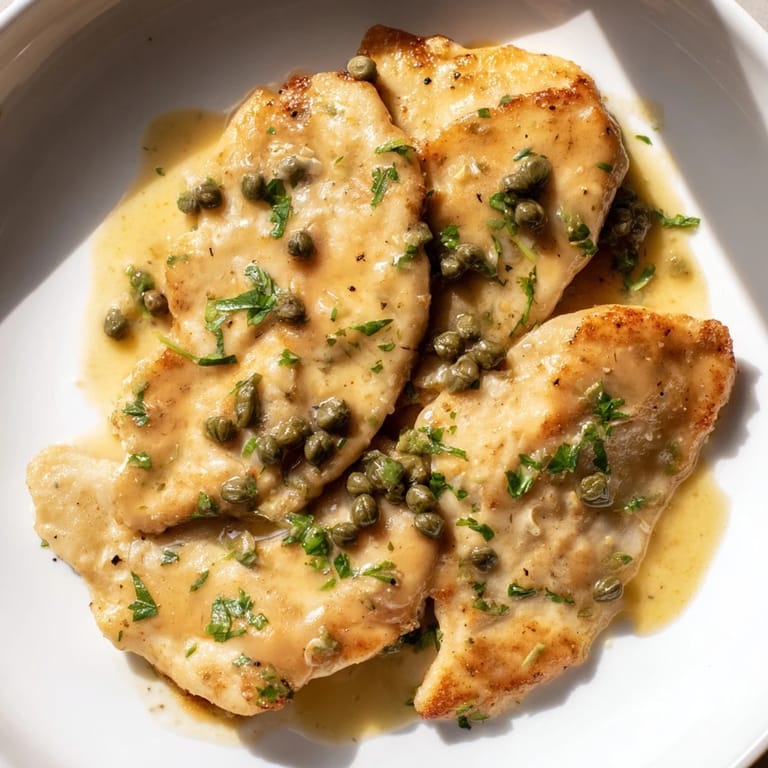
Save There was an evening when a friend arrived unannounced, hungry and exhausted from work, and I had maybe thirty minutes to pull together something that felt special. I reached for chicken breasts, a lemon, and cream, and as the butter foamed in the pan, something clicked—that perfect balance of bright acid and silky richness that somehow tastes like both comfort and occasion. Creamy chicken piccata became my quiet answer to those moments when you need food that feels effortless but tastes like you tried.
I learned this dish years ago when I was trying to impress someone with Italian cooking but honestly had no idea what I was doing. The chicken turned out tender, the sauce came together in minutes, and watching someone's face when they tasted it—that's when I understood why this simple technique has survived in kitchens for generations. It's the kind of dish that works whether you're cooking for two or feeding a table of hungry people.
Ingredients
- Boneless, skinless chicken breasts: Four breasts around 600g give you the perfect base—pound them thin so they cook through quickly and stay incredibly tender inside.
- Salt and black pepper: Season generously before dredging; this is where half your flavor lives.
- All-purpose flour: Just enough to create a delicate crust that catches the heat and turns golden, nothing more.
- Olive oil and unsalted butter: The combination gets hot enough to brown the chicken beautifully without burning.
- Garlic, minced: Three cloves will perfume the whole sauce—don't skip this moment of sautéing until it's fragrant.
- Dry white wine: It deglazes the pan and concentrates into something rich; chicken broth works if you prefer to skip the alcohol.
- Chicken broth: Low-sodium lets you taste everything else; it keeps the sauce from becoming one-note.
- Heavy cream: This is what makes it luxurious without tasting heavy—balance it with bright lemon juice.
- Fresh lemon juice: Squeeze it yourself right before cooking; bottled juice tastes different and flat.
- Capers and fresh parsley: These are your final flourishes—they cut through the richness and make each bite feel bright.
Tired of Takeout? 🥡
Get 10 meals you can make faster than delivery arrives. Seriously.
One email. No spam. Unsubscribe anytime.
Instructions
- Pound the chicken thin:
- Place breasts between parchment and pound to about half an inch thick—uniform thickness means everything cooks at the same rate and stays moist. This step takes thirty seconds and changes everything.
- Season and coat:
- Salt and pepper both sides, then dredge in flour with a light hand, shaking off the excess. You want a thin, crispy crust, not a blanket.
- Get the pan hot:
- Olive oil and butter together create the right temperature and flavor—let them heat until they're almost shimmering and smell nutty. This is when you know it's ready.
- Brown the chicken:
- It needs four to five minutes per side to turn golden and cook through. Don't move it around; let it sit and develop that color.
- Build the sauce foundation:
- After the chicken is out, melt the remaining butter and sauté garlic for just thirty seconds. You'll smell it immediately—that's your signal it's done.
- Deglaze and reduce:
- Pour in wine and scrape up all those brown bits stuck to the bottom; they're concentrated flavor. Let it bubble down by half, which takes about two minutes.
- Finish with cream and brightness:
- Add broth, cream, and lemon juice, then simmer until the sauce thickens slightly. Taste as you go—this is where you might add a pinch more salt.
- Bring it together:
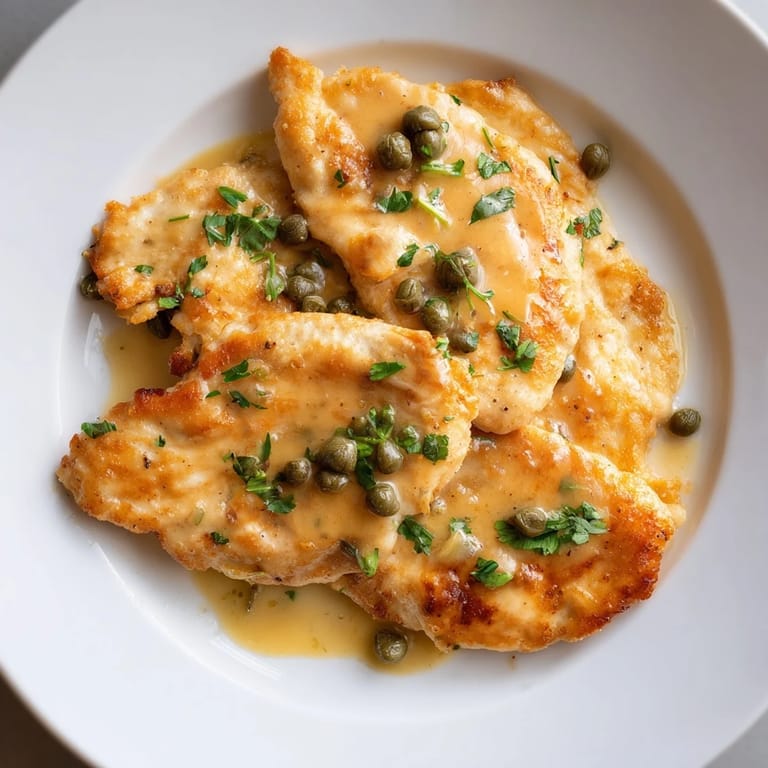
- Stir in capers and return the chicken to the pan, spooning sauce over everything. Two to three minutes of gentle simmering heats the chicken through without overcooking it further.
- Plate and serve:
- Finish with fresh parsley scattered on top and serve right away over pasta, rice, or good bread to catch every drop of sauce.
 Save
Save There's a particular magic in watching someone tear a piece of bread off to soak up the last of that sauce—that moment when a dish stops being just dinner and becomes an experience. That's what this recipe does, quietly and without fuss.
Timing and Tempo
The beauty of this dish is that everything happens in one skillet in under twenty minutes of actual cooking time. Start to finish takes maybe thirty-five minutes, which means you can decide to make it after work and still have dinner on the table before anyone gets hungry. The key is having everything prepped and within arm's reach before the pan gets hot—mise en place isn't fancy, it's just good sense.
Wine Choices and Pairing
A crisp white wine like Pinot Grigio or Sauvignon Blanc doesn't just go into the sauce, it also sits beside your plate at dinner. The acidity echoes the lemon in the dish, and there's something about that coordination that makes everything taste better together. If you're cooking alcohol-free, the sauce is still delicious with chicken broth replacing the wine, though it loses a subtle depth that comes from that brief reduction.
Making It Your Own
This recipe is a framework more than a rulebook, which is why it's survived in so many kitchens. Some nights you might add a handful of fresh spinach, or swap the capers for sun-dried tomatoes if that's what you have. A friend once made this with turkey cutlets and said it was actually better, and I believe her.
- Try adding a handful of fresh spinach at the very end, wilting it into the sauce for color and nutrition.
- Use pork medallions or turkey cutlets instead of chicken, adjusting the cooking time slightly for thickness.
- Finish with a sprinkle of fresh thyme or a grating of good Parmesan if you want to add another layer of flavor.
 Save
Save This is the kind of recipe that becomes a regular in your rotation without you planning for it, one that you reach for when you want something that tastes special but doesn't require special effort. Make it once and you'll find yourself making it again.
Recipe FAQ
- → What cut of chicken works best for this dish?
Boneless, skinless chicken breasts are ideal here, pounded to an even thickness to ensure quick and uniform cooking.
- → Can I substitute white wine in the sauce?
Yes, dry white wine can be replaced with low-sodium chicken broth for a non-alcoholic version without sacrificing flavor.
- → How do I achieve a creamy consistency in the sauce?
The sauce thickens beautifully by simmering heavy cream combined with lemon juice and broth, offering a silky texture that coats the chicken.
- → What are good side dishes to serve alongside?
Pasta, steamed rice, or crusty bread are great accompaniments that complement the rich lemon-caper sauce perfectly.
- → Are there any tips for ensuring the chicken stays tender?
Pounding the chicken breasts to an even thickness and cooking them quickly in hot oil and butter helps keep them juicy and tender.