 Save
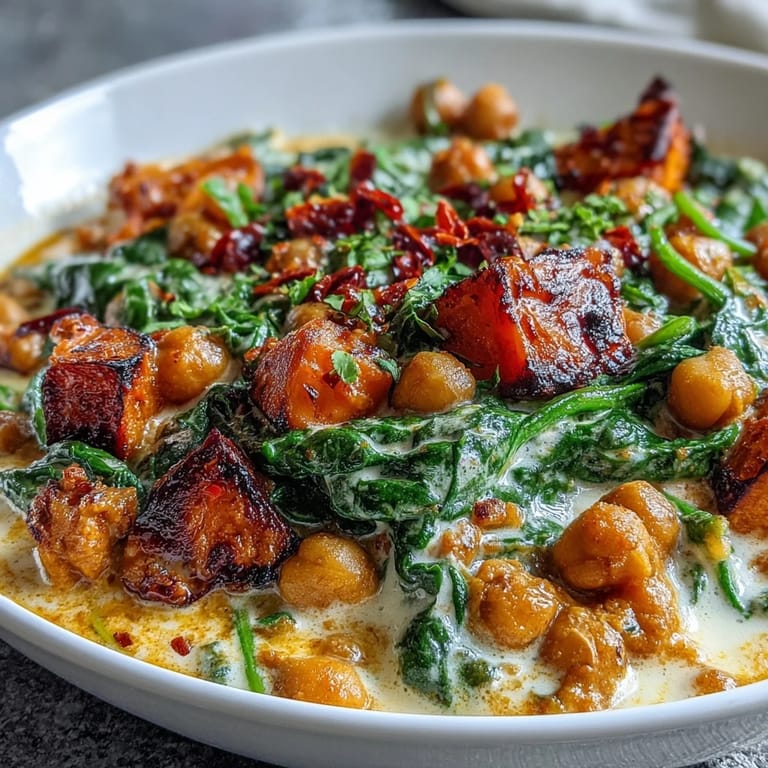
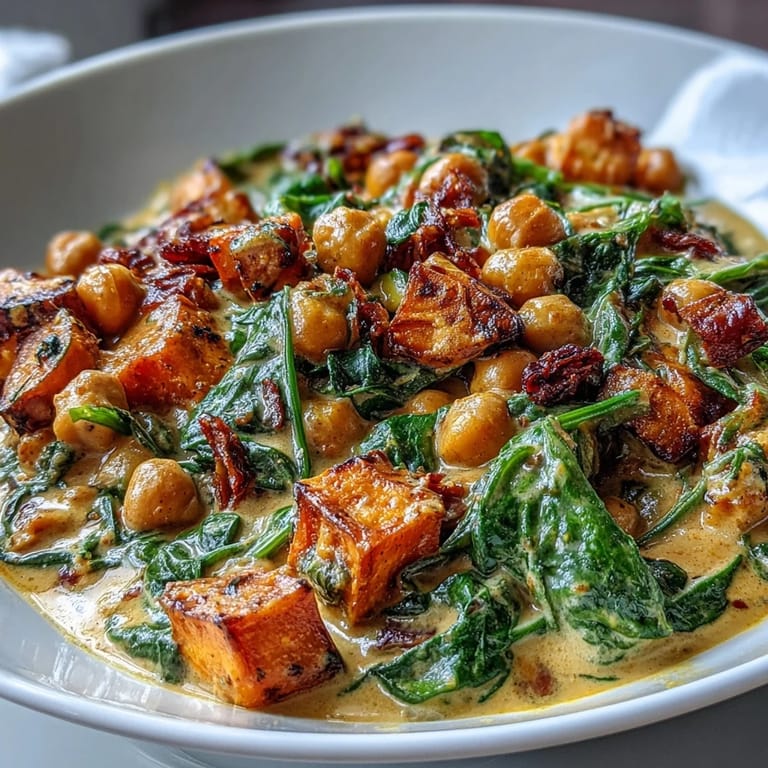
Save There's something about the smell of curry powder hitting hot oil that makes a Tuesday night feel like an occasion. I discovered this skillet curry on an unusually quiet evening when I wanted something that tasted like it took hours but could be done in less time than it takes to stream a movie. The coconut milk pooling around tender sweet potatoes, the way the spinach surrenders into dark green ribbons—it became the meal I make when I need comfort without the fuss.
I made this for my roommate on a night when she came home frazzled from work, and she sat at our tiny kitchen counter just breathing in the steam while I finished cooking. By the time I plated it, she'd already reset her entire mood. That's when I realized this isn't just a recipe; it's a small act of care that happens to involve coconut milk and cumin.
Ingredients
- Sweet potato, 1 large: Cut into half-inch cubes so they soften evenly without turning to mush; I learned the hard way that uneven sizes mean some pieces stay crunchy while others fall apart.
- Yellow onion, 1 medium: Finely chopped so it melts into the sauce and creates a subtle sweetness that balances the spices beautifully.
- Fresh spinach, 3 cups: Roughly chopped and added at the very end so it wilts gently into the coconut sauce without turning bitter.
- Garlic, 3 cloves: Minced fresh because the aroma matters as much as the taste here.
- Fresh ginger, 1-inch piece: Grated rather than minced so it distributes evenly throughout the sauce and adds a subtle warmth without fibrous texture.
- Chickpeas, 1 can (15 oz): Drained and rinsed to remove excess sodium and starch, which keeps the sauce silky instead of gummy.
- Full-fat coconut milk, 1 can (13.5 oz): The richness is non-negotiable here; light coconut milk will leave the sauce tasting thin and incomplete.
- Vegetable broth or water, 1/2 cup: This loosens the sauce to the right consistency without diluting the flavor too much.
- Fresh lime juice, 1 tablespoon: Added at the end to brighten everything and cut through the richness with a gentle acid.
- Mild curry powder, 2 tablespoons: The backbone of the whole dish; I use mild so the other spices can sing without overpowering heat.
- Ground cumin, 1 teaspoon: Adds earthiness and depth that keeps the curry from tasting flat.
- Turmeric, 1/2 teaspoon: For that golden color and subtle peppery warmth.
- Cayenne pepper, 1/4 teaspoon (optional): Only if you want heat; skip it or add more depending on your mood and tolerance.
- Salt and black pepper: Taste as you go because the canned goods often carry their own salt.
- Coconut oil or vegetable oil, 1 tablespoon: Coconut oil adds a whisper of authentic flavor, but neutral oil works if that's what you have.
Tired of Takeout? 🥡
Get 10 meals you can make faster than delivery arrives. Seriously.
One email. No spam. Unsubscribe anytime.
Instructions
- Warm your oil and wake up the onions:
- Pour the oil into your skillet over medium heat and let it shimmer for a moment before adding the chopped onion. Sauté for about 3–4 minutes, stirring occasionally, until the pieces turn translucent and smell sweet—this is when you know they're releasing their natural sugars.
- Build the aroma with garlic and ginger:
- Add the minced garlic and grated ginger, stirring constantly for just 1 minute so they release their fragrance without browning or burning. This is your moment to slow down and smell what's happening.
- Toast the spices into the vegetables:
- Scatter the curry powder, cumin, turmeric, cayenne (if using), salt, and pepper over the sweet potato cubes and stir until every piece is coated in a golden spice mixture. The color should deepen and the whole pan should smell like warmth.
- Introduce the coconut milk and broth:
- Pour in the full-fat coconut milk and vegetable broth, stirring to combine and bring everything to a gentle simmer. You're building a sauce that will cradle the sweet potatoes and chickpeas.
- Let the sweet potatoes become tender:
- Cover the skillet and let it simmer for 12–15 minutes, stirring occasionally so nothing sticks to the bottom. The sweet potatoes should soften enough that a fork passes through easily.
- Welcome in the chickpeas:
- Add the drained and rinsed chickpeas and stir gently, then cook uncovered for 5 minutes so they warm through and absorb some of that coconut flavor.
- Wilt the spinach at the last moment:
- Toss in the chopped spinach and cook for 2–3 minutes until it surrenders into the sauce and turns a deep green. Don't overcook or it becomes dark and bitter.
- Finish with brightness:
- Remove from heat and squeeze in the fresh lime juice, then taste and adjust the salt, pepper, or spice level if needed. This acid lifts everything and makes the flavors sharper.
 Save
Save I served this to a friend who'd just announced she was going vegetarian, and she teared up a little while eating because she realized she wouldn't have to sacrifice flavor or comfort. That moment taught me that food like this matters beyond taste—it says you're welcomed here, that thought went into feeding you.
The Magic of Cooking in One Pan
There's a reason this entire meal lives in a single skillet: each layer of ingredient adds flavor to the layer before it, so by the time you're done, the sauce has absorbed whispers of caramelized onion, bloomed spices, and the starch from the sweet potatoes themselves. Nothing gets wasted, and the flavors deepen through contact rather than sitting separately. This is how efficiency becomes deliciousness.
Why This Curry Feels Like Home
Curry doesn't require you to be Indian or traditional; it requires you to understand that spices are conversation starters and coconut milk is a vehicle for comfort. I've made this on nights when I had nothing else, and somehow it tasted like abundance. The sweetness of the potato, the warmth of the spices, the richness of the coconut—together they make something greater than the sum of their parts, which is what cooking should feel like.
Serving and Pairing Ideas
This curry begs for rice or naan to soak up the sauce, but it's equally happy spooned over quinoa if you're looking for something lighter. The warm spices pair beautifully with cool yogurt if you're not strictly vegan, and a crisp white wine or sparkling water cuts through the richness if you want to balance the richness.
- Serve with basmati rice, jasmine rice, or warmed naan on the side to catch every drop of sauce.
- Top with fresh cilantro and a lime wedge for color, brightness, and that final textural crunch.
- If you have coconut yogurt or cashew cream, a dollop on the side adds another layer of silky richness.
 Save
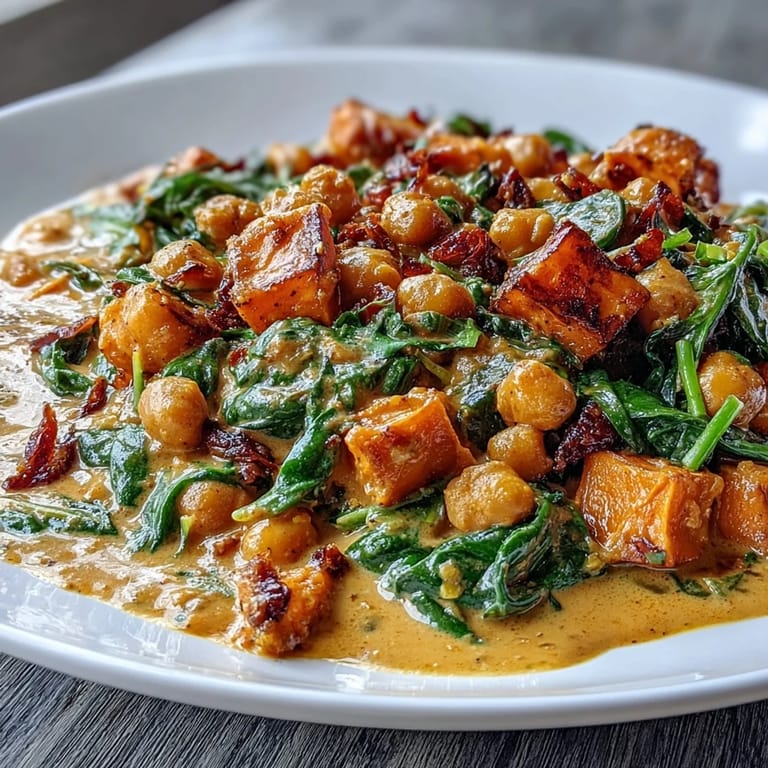
Save This curry is the meal I return to when I want to feed myself or someone else with intention and warmth. It asks so little of you but gives back everything.
Recipe FAQ
- → Can I substitute the spinach with other greens?
Yes, kale or Swiss chard work well as alternatives and provide a similar texture and flavor profile.
- → Is it possible to add more protein to this dish?
Absolutely, adding cubed tofu or tempeh increases protein content and complements the dish's flavors.
- → What side dishes pair best with this skillet?
Basmati rice or quinoa are excellent choices to soak up the creamy coconut sauce.
- → Can I adjust the spice level of this dish?
Yes, modify the cayenne pepper or curry powder amounts to increase or decrease heat according to your preference.
- → How should leftovers be stored?
Store leftovers in an airtight container in the refrigerator for up to three days. Reheat gently on the stovetop for best results.