 Save
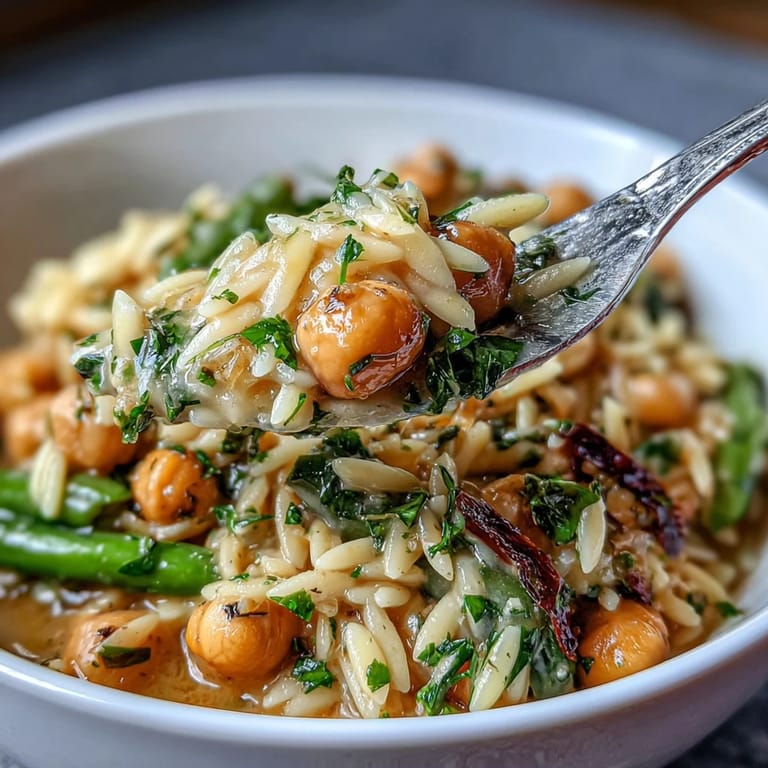
Save There's something about a weeknight when the farmers market haul is still sitting on the counter and you're too tired to overthink dinner that makes one-pot meals feel like genius. I grabbed a bunch of spring vegetables on a Tuesday evening, came home to a nearly empty pantry, and somehow threw together this lemon herb orzo without a recipe to guide me. The kitchen smelled like Mediterranean sunshine within twenty minutes, and my partner asked what fancy restaurant I'd ordered from. It was just pasta, chickpeas, and whatever green things needed using up.
I made this for a potluck where I wasn't sure what anyone actually ate, and it disappeared in minutes. A colleague who'd mentioned trying to eat more plant-based came back for seconds and asked for the recipe. That moment when food becomes a bridge between people, when something you just threw together becomes someone else's new favorite thing, that's when you know you've stumbled onto something real.
Ingredients
- Orzo pasta (1 cup, 200g): This tiny, rice-shaped pasta cooks directly in the broth, soaking up every drop of flavor rather than sitting in separate salted water.
- Chickpeas (1 can, 15 oz/400g, drained and rinsed): They provide substantial protein and a creamy texture when slightly broken down by the stirring and heat.
- Asparagus (1 cup, 120g, trimmed and cut into 1-inch pieces): The slight woodiness balances the brightness of the lemon perfectly, and cutting them smaller ensures even cooking.
- Sugar snap peas (1 cup, 120g, trimmed and halved): Their natural sweetness becomes more pronounced when briefly sautéed, and halving them helps them cook through without becoming stringy.
- Zucchini (1 cup, 140g, diced): Diced small, zucchini releases moisture that thickens the sauce slightly and adds a subtle earthy note that grounds all the brightness.
- Baby spinach (1 cup, 100g, packed): Added at the very end, it wilts into the warm pasta and provides iron without any bitterness if you don't overcook it.
- Yellow onion (1 small, finely chopped): The foundation of flavor, and chopping it fine helps it soften completely in just a few minutes.
- Garlic (2 cloves, minced): Mince it finely so it distributes evenly and blooms into the oil without burning.
- Vegetable broth (3 cups, 720ml, low-sodium): Low-sodium broth lets the lemon and herbs shine without becoming overly salty, and the exact amount ensures the pasta cooks perfectly without drying out.
- Olive oil (2 tbsp): Good quality matters here since it's such a prominent flavor, and it helps build that golden base layer.
- Lemon juice and zest (1 large lemon): The zest adds those tiny bursts of citrus oil that transform everything, while juice keeps it balanced and bright.
- Fresh parsley (1/4 cup, 10g, chopped): Stirred in at the end, it keeps its fresh grassy flavor and adds color.
- Fresh dill (2 tbsp, or 2 tsp dried): If using fresh, add it at the very end; dried dill can handle earlier addition and mellows beautifully into the broth.
- Dried oregano (1 tsp): A little goes a long way, and it brings that sunny Mediterranean warmth without overpowering.
- Salt (1/2 tsp, or to taste): Start conservative since the broth already has sodium, and you can always add more at the table.
- Freshly ground black pepper (1/4 tsp): Grind it fresh for the most peppery bite that won't fade during cooking.
- Red pepper flakes (pinch, optional): A tiny amount adds gentle heat that plays against the cool brightness of the lemon.
Tired of Takeout? 🥡
Get 10 meals you can make faster than delivery arrives. Seriously.
One email. No spam. Unsubscribe anytime.
Instructions
- Sauté the aromatics:
- Heat olive oil over medium heat and add your finely chopped onion, letting it soften and turn translucent over about three to four minutes. You'll know it's ready when it's lost that sharp bite and the kitchen smells sweet and savory at once.
- Build your vegetable base:
- Toss in the minced garlic, diced zucchini, asparagus pieces, and snap peas, stirring occasionally for two to three minutes. You're not aiming to cook them through yet, just to start softening their edges and release their fragrances into the oil.
- Toast the orzo:
- Add the dry orzo to the pan and stir constantly for about a minute, letting it soak up all that oil and vegetable-infused flavor. This quick toasting adds depth that plain cooked pasta simply doesn't have.
- Add chickpeas and liquid:
- Pour in your chickpeas and vegetable broth, along with the oregano, salt, pepper, and red pepper flakes if using. Stir everything together, then bring the mixture up to a gentle boil where you can see small bubbles breaking the surface regularly.
- Simmer until orzo is tender:
- Once it's boiling, reduce the heat to a simmer, cover the pan, and let it cook for eight to ten minutes, stirring occasionally to prevent sticking. The orzo should be tender and most of the liquid absorbed, but not completely dry.
- Finish with spinach and citrus:
- Stir in the spinach, lemon juice, and lemon zest, cooking just another minute or two until the spinach wilts into the warm pasta. You'll see the color brighten immediately as the lemon juice hits the heat.
- Fold in fresh herbs and taste:
- Remove from heat, scatter the fresh parsley and dill over everything, and toss gently to combine. Taste now and adjust salt and pepper to your preference, adding more lemon juice if it needs brightness.
- Serve immediately:
- Divide into bowls while still warm, with extra herbs and lemon wedges on the side for anyone who wants to adjust their own seasoning.
 Save
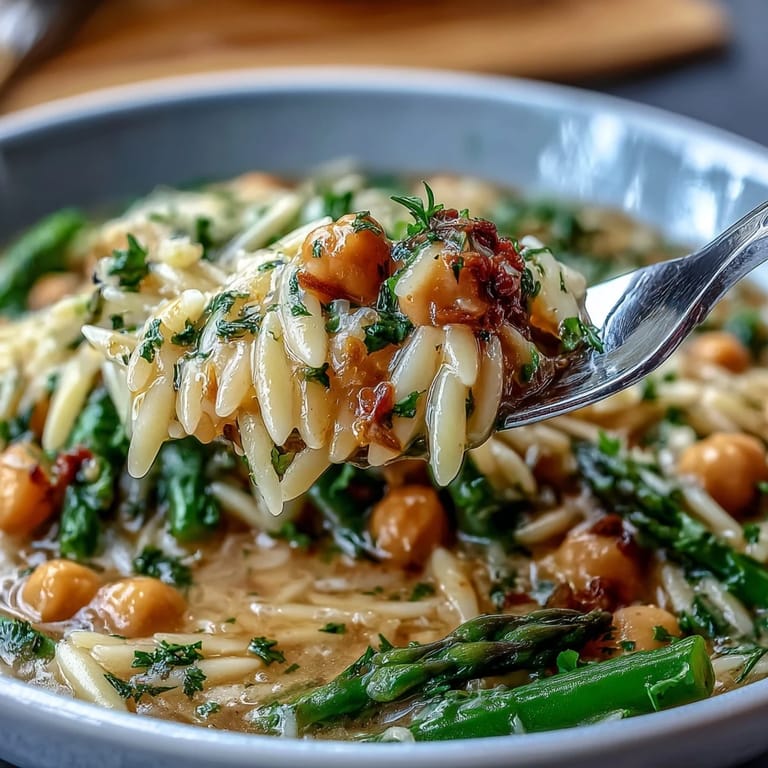
Save I remember my roommate in college trying to impress a date by cooking, and he called me in a panic because the pasta kept sticking to the pan. I explained about one-pot cooking and the way the starch from the pasta actually helps create a silky sauce, and watching his face when he tasted the finished dish, when he realized he'd accidentally done something really clever, that stuck with me. This recipe became his go-to move, proof that limitations in equipment or experience can sometimes lead to the best discoveries.
Vegetable Flexibility and Swaps
Spring vegetables are what inspired this dish, but the method works beautifully with whatever's in season or on sale. I've made it in late summer with cherry tomatoes and fresh basil instead of dill, and in fall with roasted butternut squash and sage. The key is keeping your vegetables cut to roughly similar sizes so everything cooks evenly, and adding faster-cooking items like spinach or delicate herbs at the very end to preserve their brightness and bite.
Creating Different Textures
One afternoon I realized midway through cooking that I was craving something creamier, and I stirred in a spoonful of Greek yogurt just before serving, which added richness without heaviness. Vegan friends have done the same with coconut yogurt or even a splash of oat cream, and the result is slightly different but equally satisfying. The beauty of a one-pot meal is that you can adjust it on the fly once you understand what's happening in the pan.
Pairing and Serving Suggestions
This dish is light enough to serve as is, but it genuinely sings with something crisp and cold alongside it. A Sauvignon Blanc brings out the herbaceous notes, and I've even served it with just sparkling water with lemon when the focus needed to stay on the food itself. A simple green salad with a sharp vinaigrette cuts through the slight richness and adds another vegetable element that feels festive without being fussy.
- Serve with crusty bread to soak up any remaining lemony broth at the bottom of your bowl.
- A squeeze of fresh lemon at the table lets everyone customize their own brightness level.
- Grate some Parmesan over the top if you're not keeping it dairy-free, though it's genuinely wonderful without it.
 Save
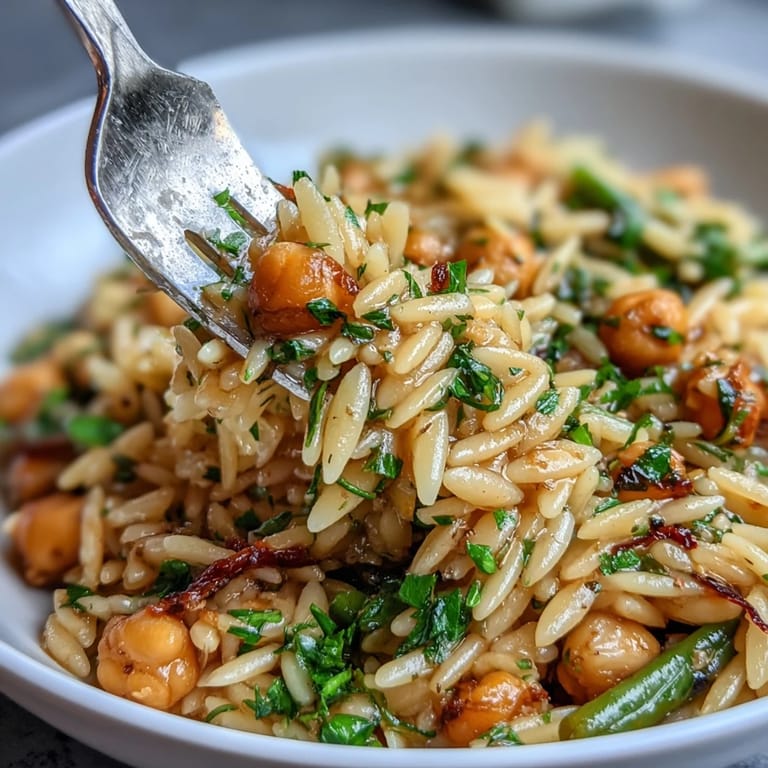
Save This recipe lives in that perfect space between fussy and forgettable, where you actually feel like you've accomplished something but didn't spend your evening stressing about it. I hope it becomes one of your weeknight anchors the way it became mine.
Recipe FAQ
- → Can I use gluten-free pasta instead of orzo?
Yes, substituting gluten-free orzo or a small gluten-free pasta will maintain the texture and flavor while keeping it suitable for gluten-sensitive diets.
- → How do I store leftovers properly?
Store leftovers in an airtight container in the refrigerator for up to 3 days. Reheat gently on the stovetop or microwave, adding a splash of broth if needed.
- → Can this dish be made vegan?
It is naturally vegan as prepared. For extra protein, consider adding more chickpeas or shelled edamame. Avoid adding dairy toppings.
- → What herbs best complement this orzo and vegetable combination?
Fresh parsley, dill, and oregano provide bright, herbal notes that enhance the lemon and vegetable flavors, balancing the dish beautifully.
- → Are there suggestions for vegetable substitutions?
You can substitute or add other spring vegetables such as peas, green beans, or broccoli to customize texture and taste depending on availability.