 Save
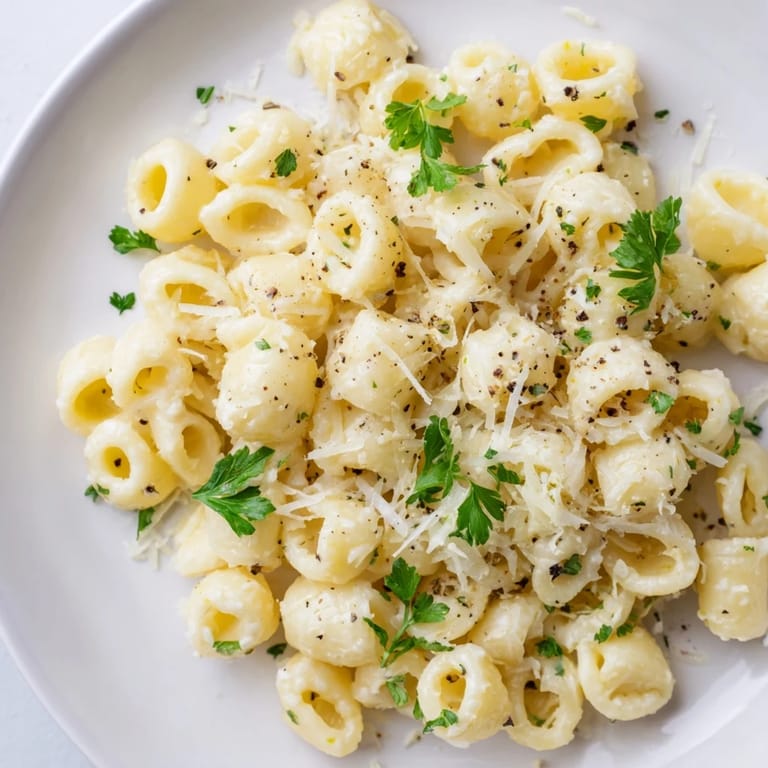
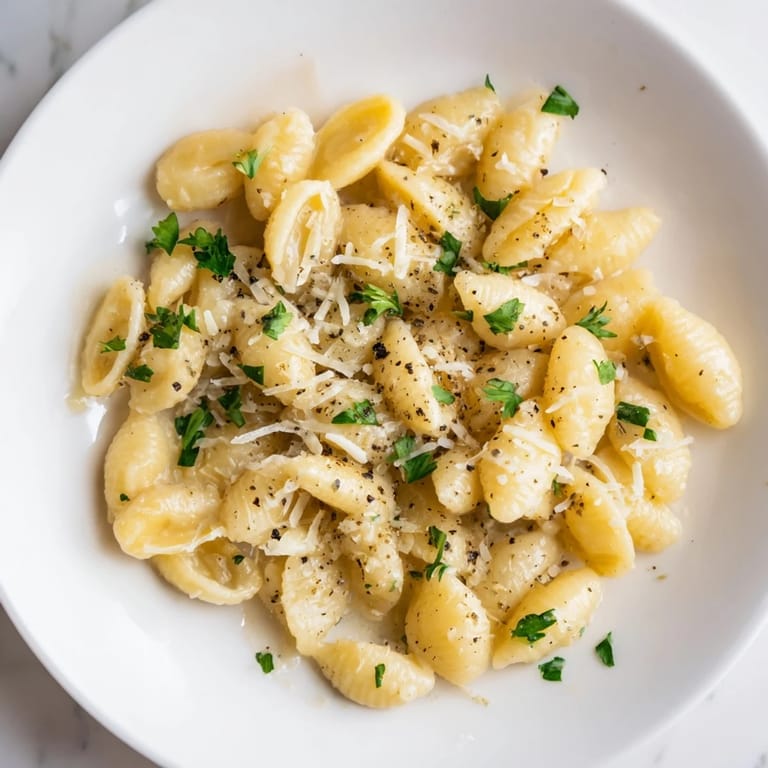
Save There's something about the smell of butter hitting a hot pan that makes you forget you're rushing through a weeknight. I'd come home with maybe twenty minutes before the kitchen needed to be cleaned and dinner needed to be on the table, and somehow ditalini became my answer. Those little tubes catch the sauce in ways long pasta never could, and this particular version—just garlic, butter, and cream—turned out to be the kind of dish that made my kitchen smell like an actual restaurant, even though I was basically just melting things together.
I made this for my partner on a random Tuesday when we'd both had the kind of day that made takeout sound necessary. Instead, I boiled water and let the kitchen fill with garlic-infused steam, and by the time they got to the table, something had shifted. It wasn't fancy, but it felt intentional, like I'd taken five minutes to say I was thinking about them through butter and pasta. They asked for it again the next week, which is how you know a recipe has earned its place.
Ingredients
- 300 g ditalini pasta: These little tubes are smaller than penne and hold the sauce in every ridge and hollow, which matters more than you'd think for this style of dish.
- 4 tablespoons unsalted butter: Don't skimp or use salted butter here; you want pure, clean butter flavor and control over the salt level yourself.
- 4 cloves garlic, finely minced: The finer the mince, the more evenly it distributes and the less likely you are to find a harsh bite of raw garlic.
- 120 ml heavy cream: This is what turns a garlic butter sauce into something that feels special and coats the pasta like silk.
- 50 g freshly grated Parmesan cheese: Pre-grated cheese contains additives that prevent clumping; fresh grated melts into the sauce instead of turning grainy.
- Black pepper and salt to taste: Freshly ground pepper has a brightness that makes the whole dish taste more alive.
- Fresh parsley and lemon zest (optional): These finish the dish with color and a subtle brightness that cuts through the richness.
Tired of Takeout? 🥡
Get 10 meals you can make faster than delivery arrives. Seriously.
One email. No spam. Unsubscribe anytime.
Instructions
- Get the water boiling:
- Fill a large pot with two liters of water, add a tablespoon of salt, and bring it to a rolling boil. The water should taste like the sea—this is your only chance to season the pasta itself.
- Cook the ditalini:
- Add your pasta and stir it once after about a minute so nothing sticks to the bottom. Cook until al dente, which is usually around eight minutes, but taste a piece to be sure. Before draining, measure out a quarter cup of pasta water into a small bowl and set it aside.
- Start the sauce while pasta cooks:
- In a large skillet, melt your butter over medium heat. Once it's foaming and golden, add your minced garlic and let it sizzle for just a minute or two—you want it fragrant and softened but not browned, which happens faster than you expect.
- Build the sauce:
- Lower the heat, then pour in the heavy cream and your reserved pasta water. Stir gently and let it warm through without boiling hard. You're aiming for a gentle simmer where little bubbles break the surface.
- Bring pasta and sauce together:
- Add your drained ditalini to the skillet and toss everything gently, letting the pasta tumble through the sauce and absorb it. This takes just a minute or two of steady stirring.
- Finish with cheese and seasoning:
- Sprinkle in your grated Parmesan along with the black pepper and salt, then keep stirring until everything is smooth and creamy. If your sauce looks too thick, add a splash more pasta water and stir again. Taste it and adjust seasoning if it needs anything.
- Taste and garnish:
- Remove from heat and stir in parsley and lemon zest if you're using them. This brings freshness to what would otherwise be all richness. Serve right away into warm bowls, and scatter more Parmesan over the top.
 Save
Save I realized after making this maybe a dozen times that it had become the dish I make when I need to remember that good food doesn't require hours or complexity. It's the kind of recipe that lets you show up for people with something warm and genuine in fifteen minutes, which feels like a small miracle on the nights that matter.
The Magic of Timing
The only real trick here is understanding that everything needs to happen almost at once. Don't start the sauce after the pasta is already draining; get it going while the water is still boiling. This overlap means your sauce is ready the moment your pasta is, and everything comes together warm and properly emulsified instead of sitting around getting separated or cold. It sounds like a small thing, but it's the difference between a silky sauce and one that feels grainy or broken.
Why This Works as Comfort Food
Ditalini are small enough to feel substantial without being heavy, and they have just enough surface area to catch and hold a delicate sauce. The butter and cream combination hits a flavor note that feels indulgent but isn't actually complicated—it's the culinary equivalent of a warm hug, which is probably why people keep asking for it. There's no tomato, no long simmering, no technique beyond basic temperature control. It's proof that sometimes the simplest approach is the right one.
Customizing Without Losing the Soul
This recipe has a clean, straightforward flavor that serves as a blank canvas, and that's intentional. The beauty of it is that you can lean into different directions without overwhelming what makes it special. A touch of mascarpone adds even more richness, red pepper flakes introduce heat that plays beautifully against the butter, and a splash of white wine would make it feel more sophisticated if you're cooking for guests. The lemon zest isn't just optional garnish—it's a brightness that cuts through richness and makes you want another bite.
- For extra creaminess, stir in a tablespoon of mascarpone at the end instead of adding more heavy cream, which can make things feel one-note.
- Fresh herbs like chives or tarragon add sophistication and freshen up the richness if you want the dish to feel lighter than it tastes.
- A small handful of torn fresh spinach can be added at the very end for color and a subtle earthiness that doesn't compete with the garlic.
 Save
Save This is the kind of recipe that proves you don't need hours in the kitchen or a list of hard-to-find ingredients to make something memorable. It's the kind of dish that has earned a permanent spot in my weeknight rotation, and I suspect it will in yours too.
Recipe FAQ
- → How do I achieve a silky sauce consistency?
Simmer the butter, garlic, cream, and reserved pasta water gently while stirring to create a smooth, velvety sauce that evenly coats the pasta.
- → Can I use other pasta shapes besides ditalini?
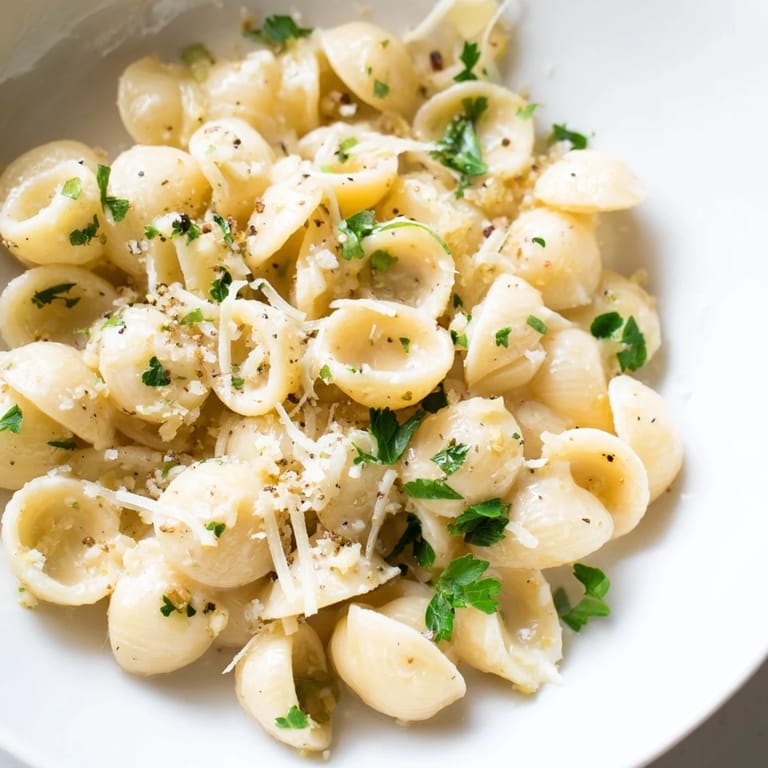
Yes, small pasta shapes like elbow macaroni or small shells work well to hold the creamy sauce.
- → What is the best way to prevent garlic from burning?
Sauté minced garlic over medium heat for 1–2 minutes until fragrant, ensuring it remains golden and not browned for a balanced flavor.
- → How can I adjust seasoning to taste?
Season with salt, freshly ground black pepper, and optional lemon zest. Taste before serving and adjust as needed for balance.
- → What can I add for extra richness?
Enhance creaminess by adding a splash more cream or a tablespoon of mascarpone cheese to the sauce.