 Save
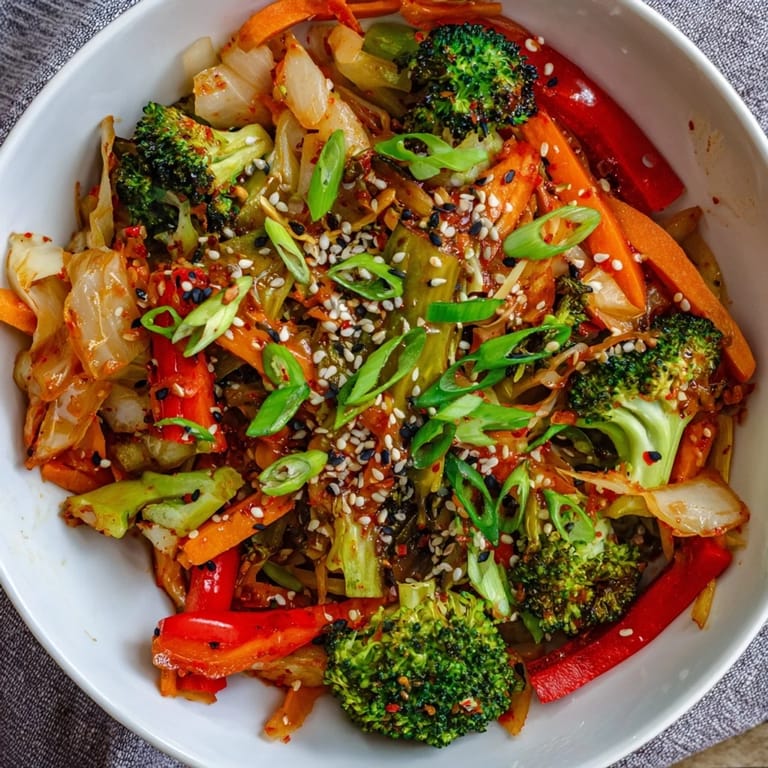
Save The first snow was falling outside my window when I threw this together, desperate for something that would warm me from the inside out. I had a CSA box full of winter vegetables that were threatening to go soft, and a jar of kimchi I'd bought on impulse. Forty minutes later, I was sitting on my kitchen floor with a bowl of this stir-fry, watching snowflakes stick to the glass, feeling like I'd discovered winter comfort food.
Last winter my friend Sarah came over for dinner during that week in January when everyone feels slightly hibernation-prone. She took one bite, set down her fork, and asked me to write down the recipe immediately. Now whenever we have those gray days when you need something vibrant and alive on your plate, this is what we both make.
Ingredients
- 1 small head broccoli, cut into florets: Broccoli holds up beautifully to high heat and becomes tender-crisp while still maintaining texture
- 2 medium carrots, sliced on the bias: The diagonal cut gives you more surface area for caramelization and looks gorgeous in the bowl
- 1 small parsnip, peeled and sliced: Parsnips add this subtle sweetness that balances kimchis funk beautifully
- 1 small sweet potato, peeled and cut into thin matchsticks: These cook quickly and add a creamy, sweet element that grounds the dish
- 1 cup shredded green cabbage: Cabbage brings freshness and crunch while tying together all the cooked vegetables
- 1 red bell pepper, sliced: The sweetness and bright color make everything feel more celebratory
- 1 tablespoon fresh ginger, grated: Ginger is the backbone that warms you through
- 2 cloves garlic, minced: Because everything is better with garlic
- 2 tablespoons toasted sesame oil: Toasted sesame oil has this incredible depth that regular oil just cant match
- 2 tablespoons soy sauce or tamari: This provides the salty umami base for the sauce
- 1 tablespoon rice vinegar: Just enough acidity to brighten everything
- 1 teaspoon maple syrup or honey: A tiny bit of sweetness helps all the flavors play nice together
- 1 cup kimchi, chopped: The star ingredient that makes this dish sing with probiotics and flavor
- 2 green onions, sliced: Fresh onion on top adds a pop of color and mild bite
- 1 tablespoon toasted sesame seeds: Because texture is everything and they look beautiful
Tired of Takeout? 🥡
Get 10 meals you can make faster than delivery arrives. Seriously.
One email. No spam. Unsubscribe anytime.
Instructions
- Prep your vegetables first:
- Once that pan is hot, you wont have time to chop, so have everything ready and waiting in separate piles
- Heat your wok or skillet:
- Warm the sesame oil over medium-high heat until it shimmers and you can smell that nutty aroma
- Wake up the aromatics:
- Add ginger and garlic, stirring constantly for just 30 seconds until the air smells incredible and nothing burns
- Add the hearty vegetables:
- Toss in carrots, parsnip, sweet potato, and broccoli, stir-frying for 4 to 5 minutes until they start to soften but still have some bite
- Add the tender vegetables:
- Throw in cabbage and bell pepper, cooking for another 3 to 4 minutes until everything is crisp-tender and vibrant
- Make the sauce while vegetables cook:
- Whisk together soy sauce, rice vinegar, and maple syrup in a small bowl until the syrup dissolves
- Bring it all together:
- Pour the sauce over your vegetables and toss to coat everything evenly, letting it bubble for just a moment
- Add the magic ingredient:
- Remove from heat and gently fold in chopped kimchi, preserving those beneficial probiotics by not cooking them
- Finish with love:
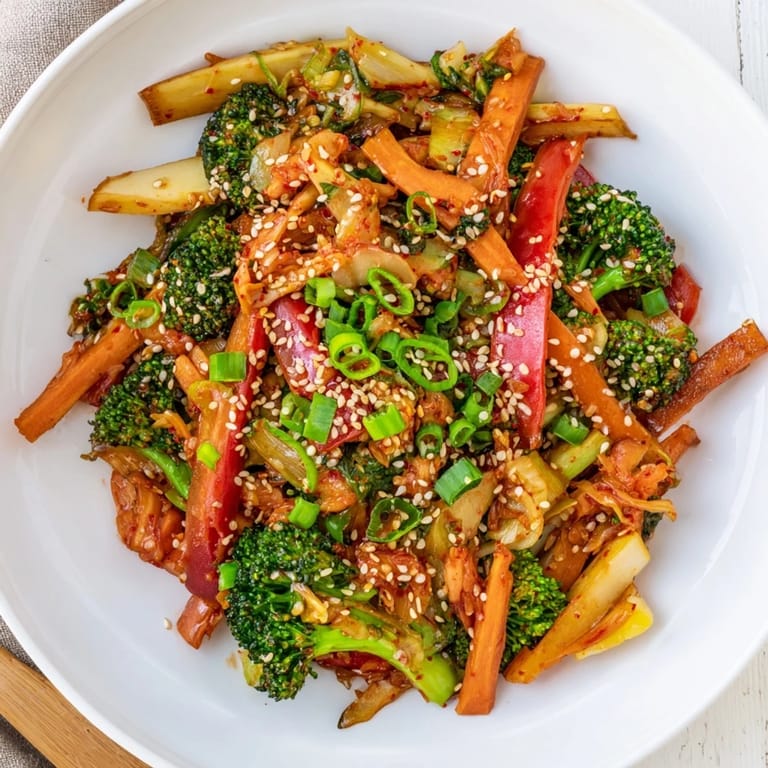
- Serve immediately topped with green onions and sesame seeds if you want it to look as good as it tastes
 Save
Save  Save
Save This recipe became my go-to during that long winter when I was trying to eat more fermented foods but craved comfort. Something about the heat from the stir-fry meeting the tang of kimchi just works, like they were always meant to be together.
Making It Your Own
I've learned that winter vegetables are more forgiving than people think. Turnips, rutabaga, or even kale can join the party if that's what you have. The key is keeping the pieces relatively small so everything cooks in the same amount of time.
Serving Suggestions
Some nights I serve this over steamed brown rice for something substantial. Other times I'll toss it with soba noodles for a complete meal in one bowl. My kids even like it wrapped in lettuce leaves for a lighter dinner.
Storage and Meal Prep
This actually keeps beautifully in the refrigerator for up to four days, though the vegetables will soften slightly. I like to make a double batch on Sunday and eat it throughout the week for quick lunches. The flavors develop and get even better with time.
- Store the kimchi separately if you plan to meal prep this for more than two days
- Reheat gently in a skillet rather than the microwave to maintain texture
- Add a fresh squeeze of lime before serving leftovers to brighten everything back up
 Save
Save 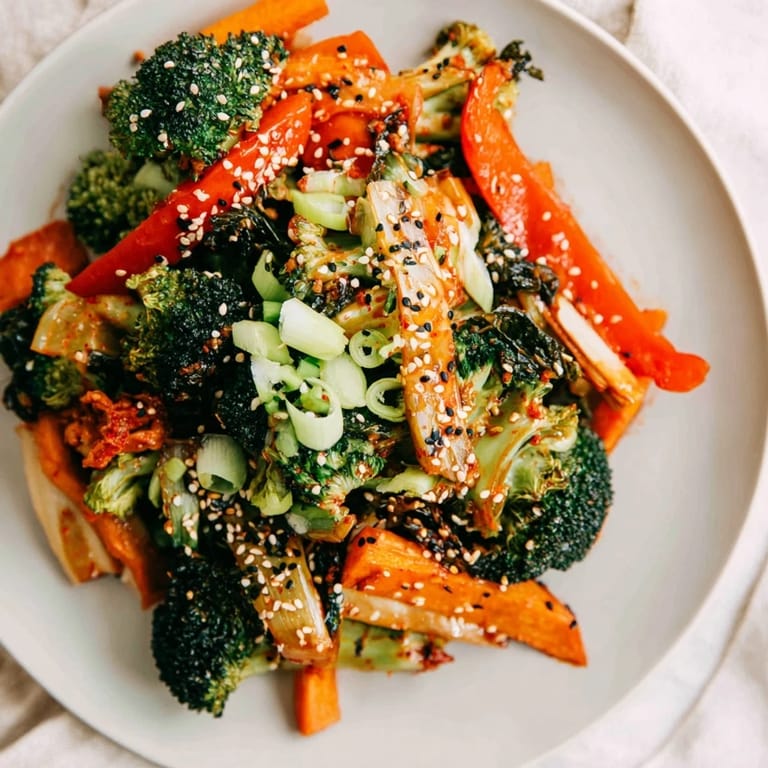 Save
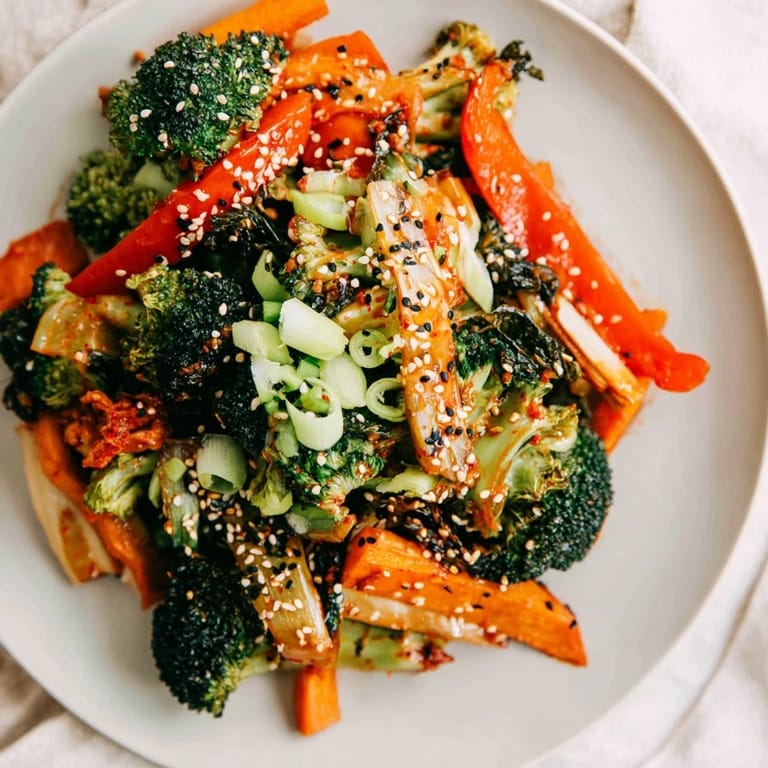
Save There's something deeply satisfying about turning humble winter vegetables into something that feels special and nourishing. This stir-fry has become my way of celebrating the season instead of just enduring it.
Recipe FAQ
- → Can I add protein to this dish?
Tofu, tempeh, or edamame work beautifully when stir-fried with the vegetables. For added protein, incorporate cubed firm tofu when adding the harder vegetables in step 4, allowing it to brown slightly while the vegetables cook through.
- → Will cooking kimchi kill the probiotics?
Adding kimchi at the very end off heat helps preserve the beneficial bacteria. While some probiotics may diminish with warmth, this method retains more live cultures than prolonged cooking, while still infusing the dish with kimchi's signature tang and spice.
- → What vegetables can I substitute?
Turnips, rutabaga, daikon radish, or kale make excellent winter additions. For spring variations, try asparagus, sugar snap peas, or baby bok choy. The method remains consistent—add harder vegetables first, softer ones later.
- → Is this dish spicy?
Kimchi typically provides moderate heat, though levels vary between brands. Start with less kimchi if you're sensitive to spice, or choose a mild variety. You can always add more after tasting once assembled.
- → How long will leftovers keep?
Store in an airtight container for up to 4 days. Reheat gently over medium-low heat, adding a splash of water or extra soy sauce if the vegetables seem dry. The kimchi's flavor will continue to develop over time.
- → Can I make this gluten-free?
Substitute tamari for soy sauce to accommodate gluten-free needs. Additionally, verify your kimchi is gluten-free, as some traditional varieties include gluten-containing ingredients in their preparation.