 Save
Save I stumbled onto this idea while rearranging my kitchen and found a pottery book wedged behind the cookbooks. The images of ancient fossils sparked something silly—what if appetizers could tell a story, invite curiosity, the way a museum piece does? I grabbed some goat cheese, pressed some dill into it, and suddenly my guests weren't just eating, they were discovering.
The first time I served this at a dinner party, my friend Sarah actually gasped when she saw it. She picked one up carefully, turned it over, traced the herb imprints with her finger like she was holding something fragile from a dig site. That single moment made me realize food can be theater, that presentation isn't shallow—it's generosity.
Ingredients
- Soft cheese (250 g): Goat cheese, cream cheese, or ricotta all work beautifully, each bringing its own texture and tang—choose based on what feels right to you.
- Fresh herbs (1 small bunch): Parsley, dill, cilantro, or chervil create the fossil imprints, so pick what you love to smell and taste.
- Olive oil (1 tbsp): Optional but it adds a subtle shine and richness that catches the light on your cheese mound.
- Assorted nuts (100 g): Walnuts, pecans, almonds, hazelnuts—in their shells if you can find them, because the cracks and fragments tell the story.
- Sea salt (1/2 tsp): A sprinkle at the end wakes everything up.
Tired of Takeout? 🥡
Get 10 meals you can make faster than delivery arrives. Seriously.
One email. No spam. Unsubscribe anytime.
Instructions
- Prep your canvas:
- Line a small tray with parchment paper so you can move this beauty around without it falling apart. This is your archaeological dig site—make it worthy.
- Spread and shape the cheese:
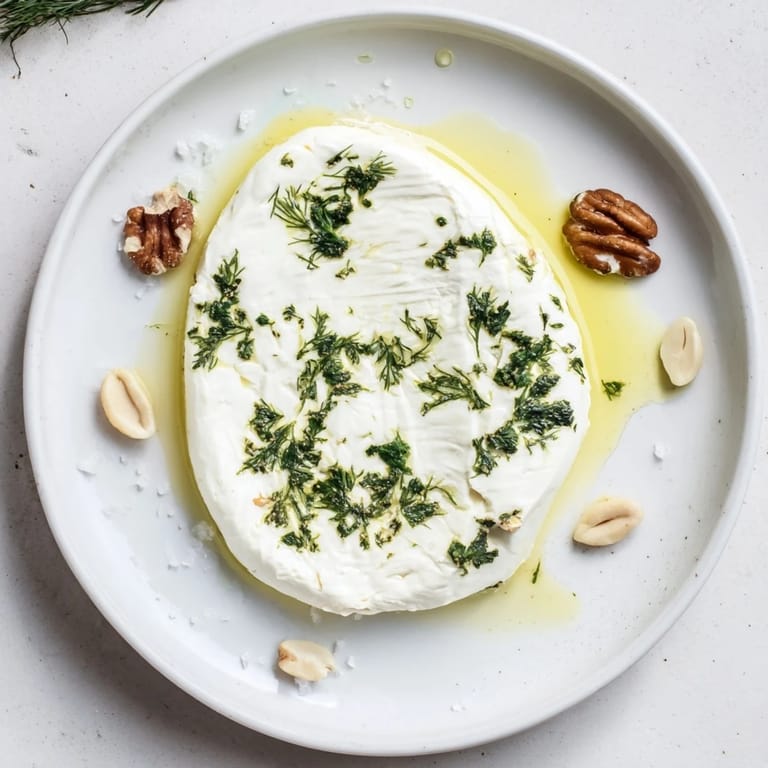
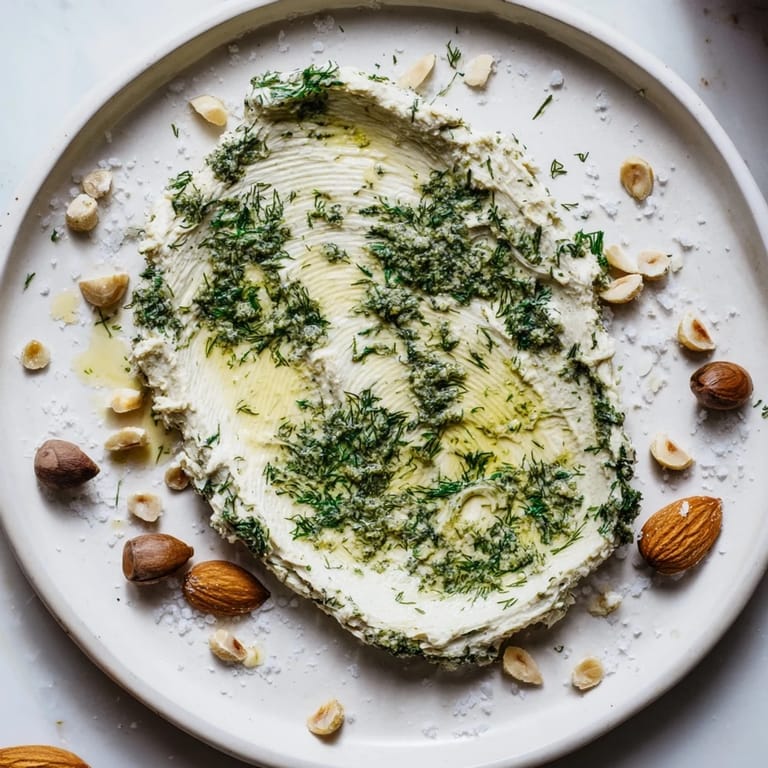
- Spread the soft cheese about 2 cm thick into a rough oval or round, smoothing the top gently with a spatula until it feels almost like sculpted clay. Don't overthink it—the imperfections are part of the charm.
- Press the fossils:
- Take fresh herb sprigs and press them firmly into the cheese surface, then carefully lift them away to reveal the imprints. Work slowly and let the herbs guide you—some will leave deep marks, others delicate traces.
- Add shine:
- If you're using it, lightly brush the whole surface with olive oil for a subtle gleam that makes the fossil details pop.
- Build the landscape:
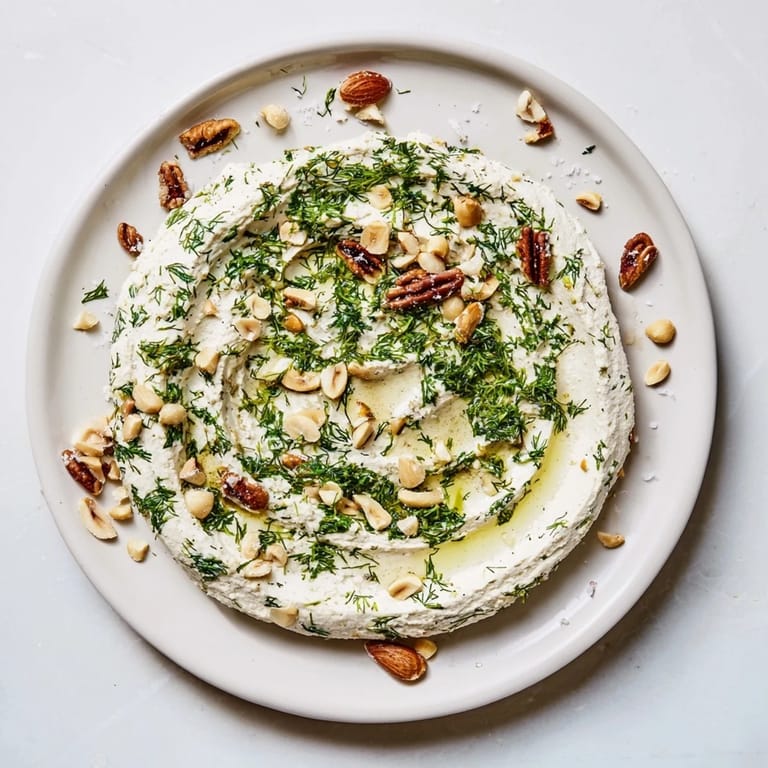
- Scatter cracked nuts around the cheese, letting some shell fragments fall naturally around the edges like broken artifacts in an excavation.
- Season and serve:
- A light sprinkle of sea salt if you want it, then serve right away with crackers or warm bread, or refrigerate until your guests arrive.
 Save
Save What made this dish stick with me wasn't the taste alone, though the creamy cheese against the crunch of nuts is perfect. It was watching people slow down and actually look at their food before eating it, treating an appetizer like something worth admiring.
Choosing Your Cheese
Goat cheese has tanginess and holds imprints beautifully, cream cheese is mild and rich, ricotta is lighter and almost fluffy. I've used all three, and each one shifts the whole vibe slightly. Goat cheese feels earthy and a little sophisticated, cream cheese is comforting and nostalgic, ricotta is modern and airy. Think about what mood you want the plate to have, then pick accordingly.
The Nuts Are Everything
Using nuts still in their shells changes everything because you're not just adding crunch, you're adding narrative. The irregular surfaces, the cracks, the fragments scattered around—they all say something about age and time and discovery. If you can't find shelled nuts, crack them yourself and keep the broken pieces. Roasting them lightly before serving deepens their flavor and makes them taste intentional rather than an afterthought.
Variations and Occasions
This dish is a canvas. I've made it with edible flowers pressed into the cheese for a different kind of beauty, drizzled honey over it for a sweet-savory moment, even added a tiny spoonful of fruit preserves on the side. For vegan guests, plant-based soft cheeses work perfectly and no one notices the difference. The core idea stays the same, but the details bend with what you have and who you're feeding.
- Edible flowers, microgreens, or even tiny peppery leaves create fossil patterns that surprise and delight.
- A small bowl of honey or fig jam served alongside turns this into something unexpected and luxurious.
- For the vegan version, just swap the cheese and the rest follows exactly—no compromises in the final result.
 Save
Save This is one of those recipes that reminds me why cooking matters. It's simple enough that anyone can do it, but thoughtful enough that everyone remembers it.
Recipe FAQ
- → Which cheeses work best for the herb imprints?
Soft cheeses like goat cheese, cream cheese, or ricotta hold herb imprints beautifully due to their smooth, pliable texture.
- → Can I use different herbs for varied imprint patterns?
Yes, parsley, dill, cilantro, and chervil all create distinct and delicate patterns for a unique visual effect.
- → How should nuts be prepared for this dish?
Use a mix of cracked nuts such as walnuts, pecans, almonds, and hazelnuts, including some shell fragments to enhance the rustic and ancient look.
- → Is olive oil necessary for this preparation?
Brushing olive oil is optional but adds a subtle sheen that enhances the cheese's appearance and flavor.
- → What serving suggestions complement this cheese and nut presentation?
Serve with crackers, fresh bread, or fruit preserves; it pairs wonderfully with crisp white wines like Sauvignon Blanc.