 Save
Save There's something almost magical about the microwave pasta moment—that instant when you realize you don't need a full kitchen setup to have a real meal ready in under fifteen minutes. I discovered this trick during a particularly hectic week when my stovetop felt like a luxury I couldn't afford, and honestly, it's become my go-to on nights when I'm tired, busy, or just craving something warm without the fuss. The pasta comes out tender, the bowl holds everything you need, and by the time you're stirring in sauce, it feels like you've actually cooked something worth eating.
I remember making this for my roommate who'd just gotten home from a double shift, looking absolutely defeated by hunger. She watched skeptically as I dumped pasta and water into a bowl and slid it into the microwave, but when that steaming bowl came out and I swirled in marinara and Parmesan, her face changed—not because it was fancy, but because it was hot, it was real food, and it happened so fast she could barely believe it.
Ingredients
- Dried pasta (75 g): Penne, fusilli, or elbow macaroni work best because their shape holds onto water and cooks evenly; avoid super long shapes like spaghetti that get tangled.
- Water (500 ml): This becomes your cooking medium and helps the pasta hydrate completely; if your bowl is shallow, add a bit more to keep pasta submerged.
- Salt (1/2 tsp): Don't skip it—this seasons the pasta from the inside out, not just on the surface.
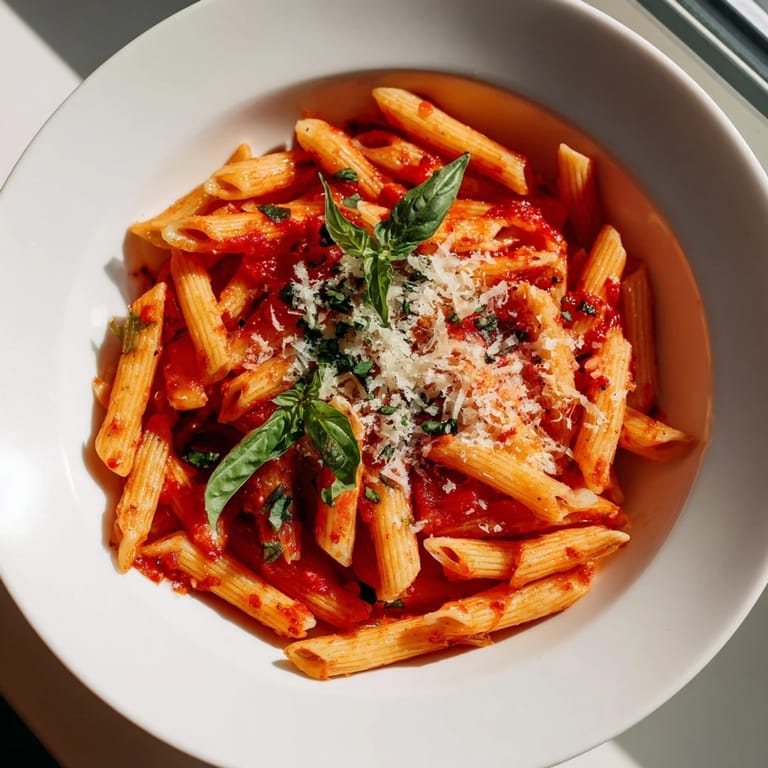
- Sauce (100 ml): Store-bought marinara, pesto, or Alfredo all work beautifully; pick whichever makes you happiest.
- Parmesan cheese: A small handful of grated cheese adds richness and a salty finish that makes everything taste more intentional.
- Fresh herbs: Basil or parsley scattered on top feels like the difference between a meal and actually cooking dinner.
Tired of Takeout? 🥡
Get 10 meals you can make faster than delivery arrives. Seriously.
One email. No spam. Unsubscribe anytime.
Instructions
- Combine and submerge:
- Pour your pasta into a large microwave-safe bowl and cover it completely with water mixed with salt. The pasta should be underwater or it'll cook unevenly and stick together.
- First blast:
- Microwave on high for four minutes without touching it, then give it a good stir to separate the pieces and distribute heat evenly.
- Cook in stages:
- Continue microwaving in two- to three-minute bursts, stirring after each one, until the pasta reaches that perfect tender-but-not-mushy stage. This usually takes eight to twelve minutes total, depending on your microwave's personality.
- Check for doneness:
- Grab a strand with a fork (carefully—the bowl is genuinely hot) and taste it; if it's still a bit firm in the center, give it another minute or two.
- Drain carefully:
- Set a fine-mesh sieve over the bowl or simply tilt the bowl while using a fork to hold back the pasta, letting the excess water escape into the sink.
- Dress while hot:
- Immediately add your sauce to the hot pasta and stir until everything's coated evenly; the heat helps the sauce cling to each piece and meld together.
- Finish and serve:
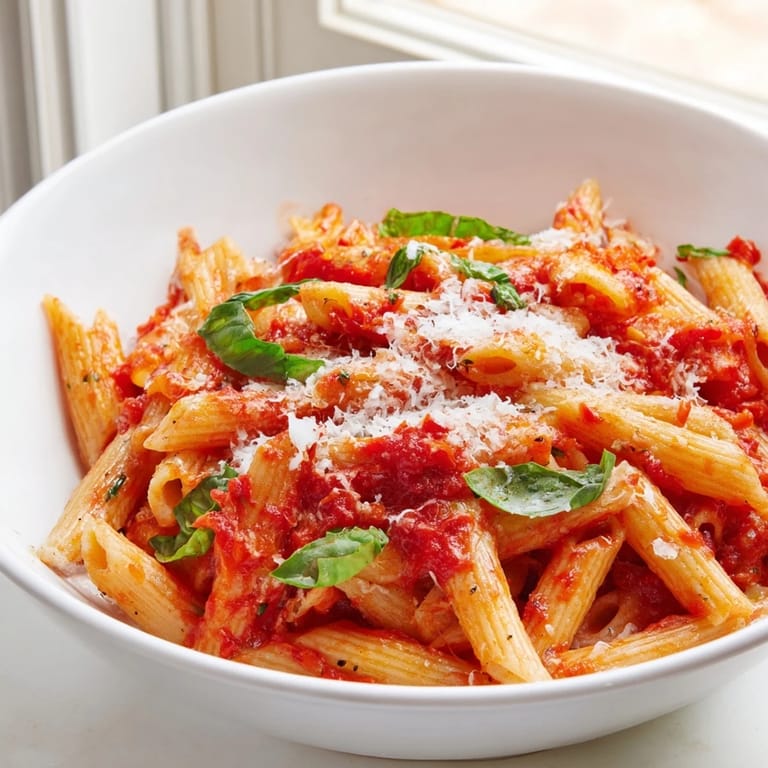
- Top with Parmesan and fresh herbs if you have them, taste it, adjust seasoning if needed, and eat it while it's still steaming.
 Save
Save There was this moment when my neighbor knocked on my door smelling the pasta cooking, and we ended up splitting a bowl while sitting on the kitchen counter talking about our week. It wasn't a fancy dinner or anything intentional, just two people with hot food and good timing, and somehow that made it matter more.
The Microwave Advantage Nobody Talks About
What I love most about this method is how it democratizes cooking—you don't need a stove, you don't need fancy equipment, and you don't need to know restaurant techniques. Anyone with a microwave and five minutes can have a real, satisfying meal, which feels like a small revolution on days when your energy or resources are limited. It's also quieter and less heating on your space than stovetop cooking, which matters more than you'd think in summer or in tight living situations.
Sauce and Flavor Experiments
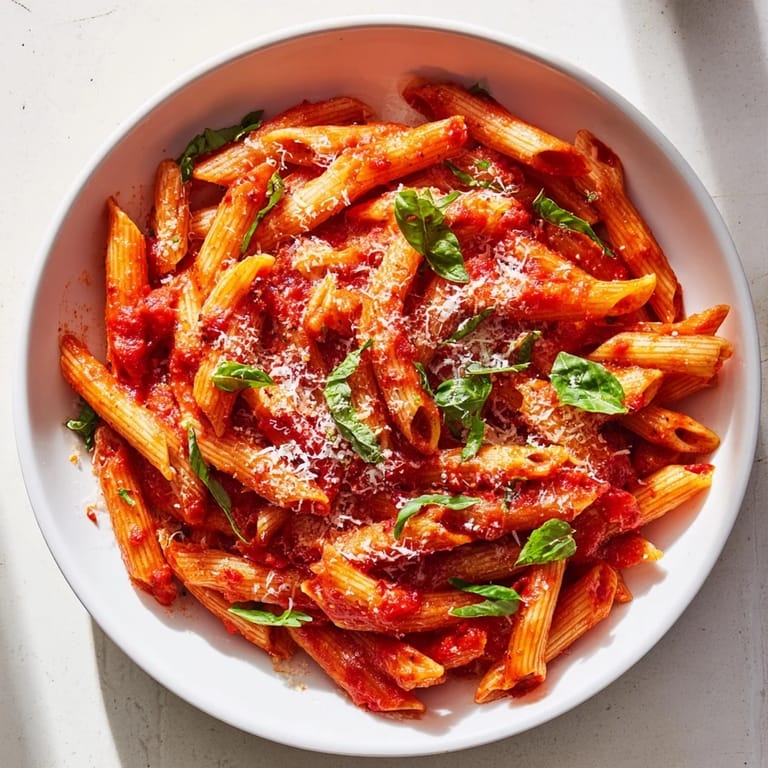
I've learned that jarred marinara is legitimately good with this pasta, but I've also thrown in cream-based sauces, pesto, even a quick pan sauce made from butter and garlic while the pasta was cooking. The key is adding sauce while the pasta is still hot, which helps it cling and flavor the pasta rather than just sitting on top. One time I added frozen spinach in the last two minutes of cooking and barely noticed it was there, but my dinner suddenly felt more substantial and less like I was just eating carbs.
Customizations and Add-Ins
This recipe is honestly just a framework—the real magic happens when you start thinking about what sounds good. I've added canned chickpeas for protein, stirred in frozen peas during the last two minutes, even topped it with a cracked egg and let the heat cook it slightly. The pasta is flexible enough to carry almost any flavor you throw at it, and because everything cooks in the same bowl, there's no excuse not to experiment.
- Frozen vegetables like peas, broccoli, or spinach go in during the last minute or two of cooking so they soften without getting mushy.
- Canned proteins like chickpeas, white beans, or even tuna can be stirred in after draining, adding substance without extra cooking time.
- Fresh garlic, red pepper flakes, or a squeeze of lemon juice transform the flavor instantly and cost almost nothing.
 Save
Save This isn't fancy food, and it doesn't pretend to be, but it's real and it's yours, and on the nights when that's all you need, it's perfect. There's something honest about a bowl of hot pasta that took you less time to make than to decide what you were hungry for.
Recipe FAQ
- → How do I know when the pasta is perfectly cooked using the microwave?
Check the pasta after the initial microwave time by tasting a piece. It should be al dente—firm but cooked through. Continue microwaving in short increments if needed.
- → Can I add vegetables during the cooking process?
Yes, adding frozen peas or spinach during the last 2 minutes of cooking is a great way to include extra nutrition and flavor.
- → What types of pasta work best for this method?
Short dried pasta like penne, fusilli, or elbow macaroni are ideal because they cook evenly in the microwave bowl.
- → How do I safely drain the pasta after microwaving?
You can use a fine-mesh sieve or carefully tilt the bowl while using a utensil to hold back the pasta to drain excess water.
- → Are there any tips for sauces to complement this pasta?
Choose your favorite sauce - marinara, pesto, or Alfredo all work well. Adding grated Parmesan cheese and fresh herbs enhances the dish beautifully.
- → Does cooking time vary for gluten-free pasta?
Yes, gluten-free varieties might cook faster and require less time in the microwave. Monitor closely to prevent overcooking.