 Save
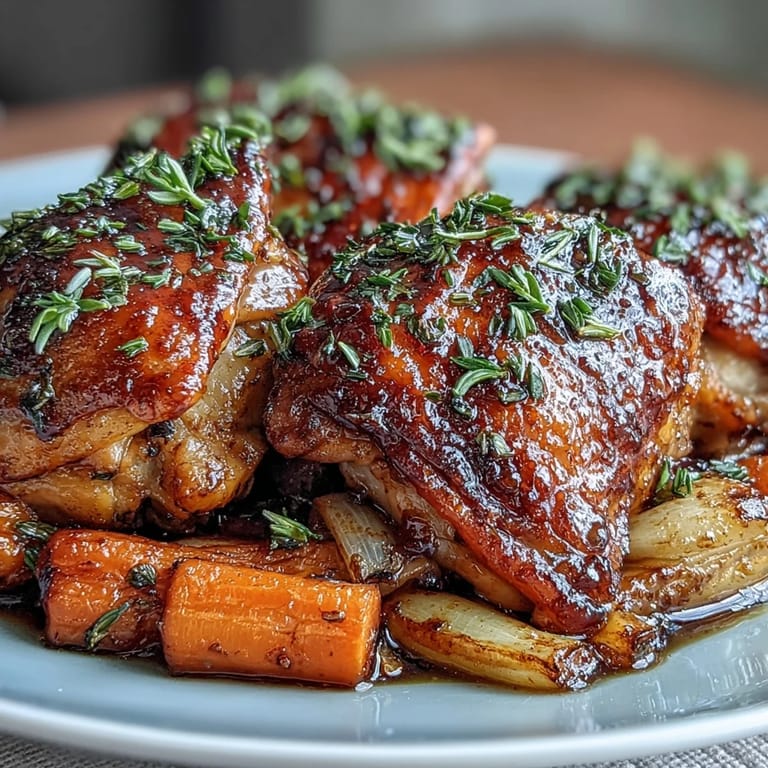
Save If you've ever had that moment in the kitchen when the aroma of sizzling chicken and fruit makes you pause just to breathe it in, you'll know the kind of evening I stumbled into the first time I made this dish. I had pears that were ripening faster than expected, and some chicken thighs just asking for an adventure, so I started tinkering. What surprised me was how quickly the sweet, toasty smell of pears mingling with vinegar filled the air—my neighbor even commented through the open window. It felt like the food was inviting everyone in. This recipe proved itself a conversation starter long before it hit the plate.
There was one rainy weeknight when I decided to serve this for a spur-of-the-moment dinner with friends, complete with mismatched plates and spontaneous laughter. Pears became the star when my best friend, who usually swears by apples, asked for seconds and all but licked the sauce from her fork. I've found the best conversations happen when the food is unexpected and just a little showy—this chicken always brings that little marvel to the table.
Ingredients
- Chicken thighs: Bone-in, skin-on cuts crisp up beautifully in the oven—pat them dry for maximum crunch on top.
- Pears: Ripe but still a bit firm pears will hold together when roasted and soak in all that syrupy glaze.
- Carrots: Cutting the carrots in sticks ensures even roasting, and they absorb the oil and seasoning for that touch of sweetness.
- Shallots: Their mild sharpness balances the glaze—always chop them finely to blend into the pan flavors.
- Garlic: Two cloves give depth, but don't let them brown or they can turn bitter—just fragrant is perfect.
- Olive oil: Use good olive oil for both roasting and searing, as the flavor really comes through.
- Balsamic vinegar: Go for a robust vinegar since it reduces to a syrup and forms the backbone of the glaze.
- Chicken broth: I learned to use low-sodium broth so you can control the saltiness as you go.
- Honey: Adds that sticky finish to the glaze—a runny honey melds best.
- Fresh thyme: Fresh brings brightness to both the chicken and the pears, but dried works in a pinch.
- Salt and black pepper: Taste as you go, especially since reducing the glaze intensifies flavors quickly.
Tired of Takeout? 🥡
Get 10 meals you can make faster than delivery arrives. Seriously.
One email. No spam. Unsubscribe anytime.
Instructions
- Heat Things Up:
- Set your oven to 425°F (220°C), so both carrots and chicken will roast up golden at the same time.
- Toss and Spread:
- On a baking sheet, roll carrots with olive oil, salt, and pepper—your hands do the best work here—then fan them out for caramelized edges.
- Make the Glaze:
- In a small saucepan, combine the balsamic, honey, and broth; simmer until glossy and just a bit syrupy, watching for that sharp-sweet scent to bloom.
- Season the Chicken:
- Blot the chicken thighs dry, then sprinkle with salt, pepper, and thyme—don't skimp on rubbing the seasonings under the skin, either.
- Sear for Flavor:
- In a hot ovenproof skillet with oil, lay the thighs skin-side down; listen for the hiss, and flip when the skin is crisp and golden.
- Add Aromatics:
- Spoon in shallots and garlic, letting the steam carry up their perfume—stir gently to keep them from sticking.
- Pear Drop:
- Nestle the pear slices beside the chicken and pour the balsamic reduction over everything, watching it sizzle in the hot pan.
- Roast to Finish:
- Move the skillet and carrots into the oven; after about 25 minutes, the chicken will be juicy, the pears and carrots denser and sweeter.
- Plate and Sauce:
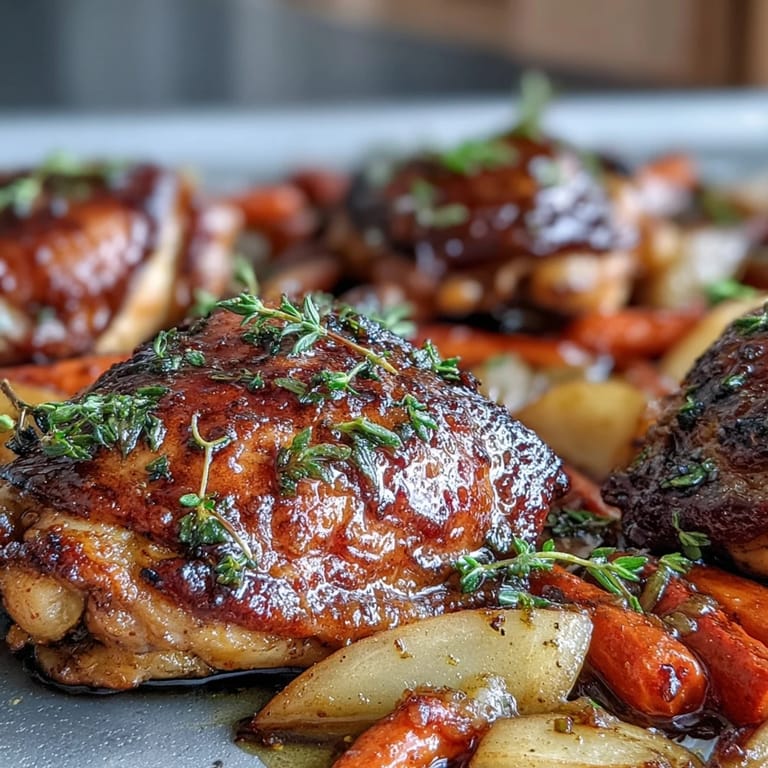
- Spoon roasted pears and carrots next to chicken, then drizzle the pan’s juices—don't let a drop of that glaze go to waste.
 Save
Save It's funny how this meal has become a stand-in for 'something special' at home, whether that means celebrating or just beating the case of the Mondays. The memory that sticks is how the sauce always gets wiped up by whatever bread happens to be around—as if no one can let the moment, or the flavor, go to waste.
What to Serve It With
When the chicken is this juicy and glazed, I love pairing it with something to catch the leftover sauce—creamy mashed potatoes or a mound of wild rice does the trick. A bright, leafy salad gives contrast, or just keep it rustic and simple with good bread for mopping up every drop.
How to Make Ahead or Store Leftovers
Leftovers reheat well and even seem to taste a little richer the next day; the glaze thickens and soaks into the chicken and pears in the best way. If you’re making ahead, just wait to add the pears until the second half of roasting to keep them tender but still shapely on the plate.
Little Kitchen Lessons From My Mistakes
The first time, I used overripe pears and the dish came out more like chicken with jam than a real glaze—but even then, everyone cleaned their plates. With practice, I learned to trust my nose on when the glaze had thickened just right and not to overcrowd the pan so the chicken and carrots could roast and caramelize instead of steam.
- Let the chicken rest a few minutes before serving so juices stay locked in.
- Line your baking sheet with parchment for especially easy carrot cleanup.
- Don’t be shy about doubling the glaze—you’ll want extra.
 Save
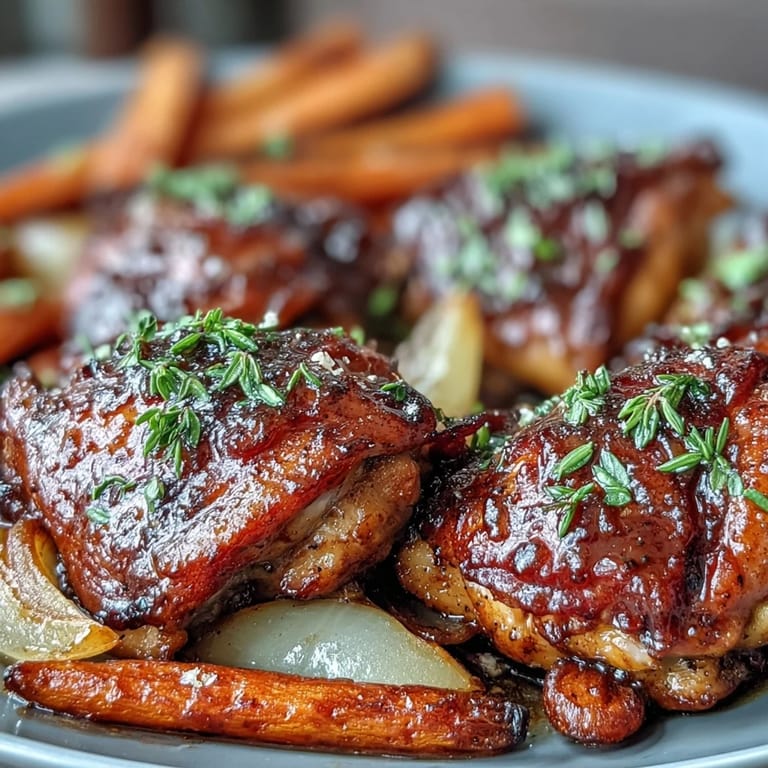
Save May your kitchen fill with warm, spiced air and curiosity the way mine does each time this pear balsamic chicken makes its return. Let every caramelized bite bring delight to your weeknight or your table full of friends.
Recipe FAQ
- → What cut of chicken works best for this dish?
Bone-in, skin-on chicken thighs provide optimal flavor and moisture retention, but boneless cuts can be used with adjusted cooking times.
- → Can I substitute pears with other fruits?
Yes, apples make a tart alternative that pairs well with balsamic glaze and roasted vegetables.
- → How do I ensure the chicken stays juicy?
Searing the chicken skin-side down before baking helps render fat and lock in moisture during roasting.
- → What sides complement the dish?
Creamy mashed potatoes or wild rice enhance the sweet-savory balance and add comforting texture.
- → How can I adjust seasoning for dietary restrictions?
Use low-sodium broth or reduce salt to taste while maintaining the balance of herbs like thyme and pepper.