 Save
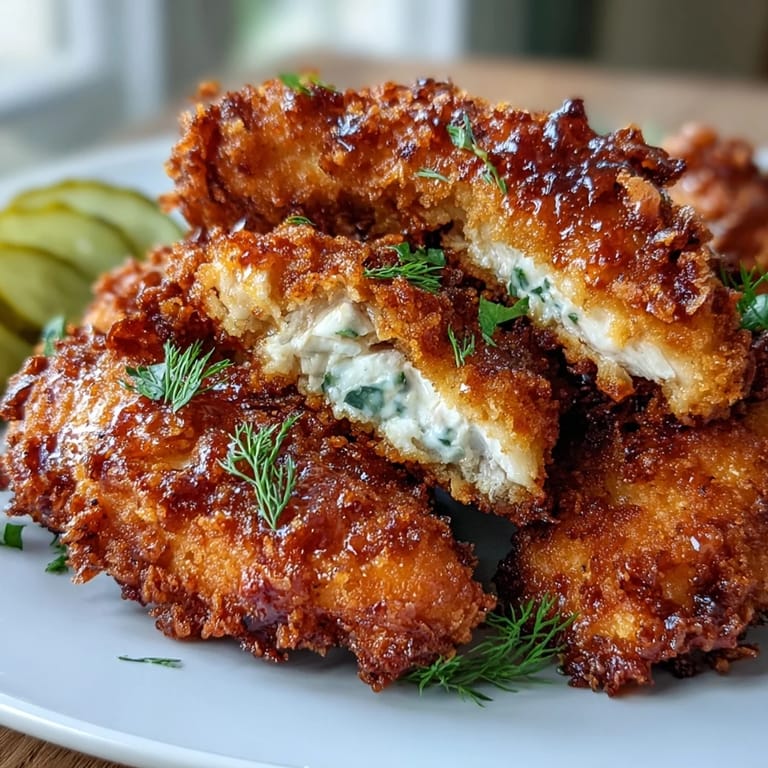
Save The first time I tried pickle brine fried chicken tenders, I was chasing a craving for something tangy and crunchy, inspired by the leftover brine in my fridge after a midnight snack. There’s something so satisfying about transforming a kitchen “leftover” into the star of the show. The briny scent that filled the kitchen as the chicken marinated had everyone guessing what surprise was coming for dinner. As the oil crackled and the tenders sizzled, I found myself sneaking tastes from the first batch. That aroma of dill, garlic, and crispy coating somehow made waiting nearly impossible.
One evening these tenders became the hero of an impromptu game night: half the group was skeptical of the pickle brine, but as soon as the first crispy bites disappeared from the platter, I could barely keep up with refills. Sighs of delight and demands for the “secret ingredient” made me realize just how much fun it is to cook with a little twist. Even the self-proclaimed pickle haters went back for seconds.
Ingredients
- Chicken tenders (1.5 lbs): Using tenders means every bite stays juicy, and smaller pieces soak up all the flavor—trim any bits of sinew for the best texture.
- Dill pickle brine (1 cup): Make sure it’s from a tangy batch—never waste the brine, as it’s packed with herby-salty kick.
- All-purpose flour (1 1/2 cups): Sift it if you can; a smooth dredge helps the crust stay airy and light.
- Panko breadcrumbs (1 cup): These add that audibly crisp snap—give them a light crush for extra stick.
- Garlic powder (2 tsp): Rounds out the brine’s tang with a savory backbone; don’t skip it.
- Paprika (2 tsp): Sprinkle with abandon for smoky color and warmth—smoked paprika is stellar if you have it.
- Onion powder (1 tsp): Doubles down on the savory flavor, just a little goes a long way.
- Black pepper (1 tsp): I like a coarsely ground pepper for speckled heat in each bite.
- Kosher salt (1 tsp): Essential for balance—taste your brine first, as some are saltier than others.
- Large eggs (2): They make everything stick; room temperature eggs whisk a little fluffier.
- Milk (2 tbsp): Loosens the egg mixture, making it just right for even coating.
- Vegetable oil, for frying: Pick something neutral and heat it patiently; a thermometer is your best friend here.
Tired of Takeout? 🥡
Get 10 meals you can make faster than delivery arrives. Seriously.
One email. No spam. Unsubscribe anytime.
Instructions
- Marinate the chicken:
- Place chicken tenders in a big bowl or zip-top bag, pour the dill pickle brine all over them, and turn until coated. Cover and pop in the fridge for at least 4 hours—the brine works quietly, making every bite juicy and zingy.
- Prep the breading station:
- Lift the chicken out and gently pat each piece dry (no excess moisture or it’ll splatter). Whisk flour, panko, garlic powder, paprika, onion powder, black pepper, and salt in a wide, shallow bowl until the colors are all blended.
- Mix the egg wash:
- Crack the eggs and add milk into a second bowl—whisk until smooth and pale yellow, like sunshine.
- Bread the chicken:
- Dip a tender into the egg wash, let any extra drip off, then press it into the breading—press a little so the crumbs cling on for that shatteringly crisp crust. Set each onto a wire rack or tray as you go so they don’t get soggy on the bottom.
- Heat the oil:
- Pour 1–2 inches of vegetable oil into a deep skillet or Dutch oven and heat to 350°F. You’ll know it’s hot enough when a pinch of breading sizzles right away.
- Fry until golden:
- Working in batches, fry chicken tenders for 3–4 minutes per side—listen for the gently bubbling oil, and flip when beautifully golden. Move to paper towels to drain, resisting the urge for “just a quick taste”... or not.
- Serve and dip:
- Transfer those hot, crispy tenders to a platter. Serve right away with your favorite dips—I love honey mustard or classic ranch for the ultimate reward.
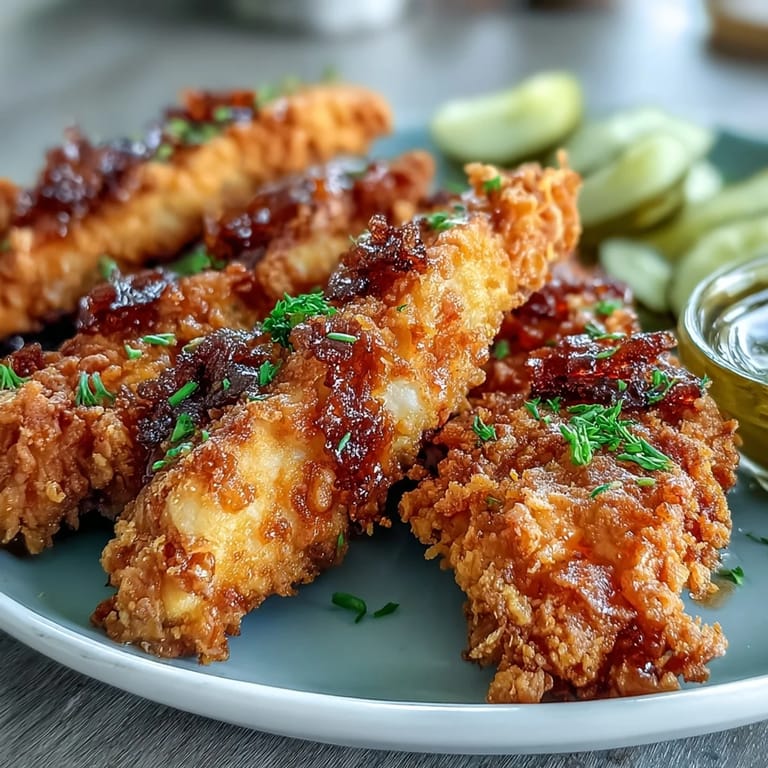 Save
Save One summer afternoon, these chicken tenders somehow became the centerpiece of a backyard picnic, laid out with sweet tea and coleslaw. Friends kept swapping stories over crispy bites, and suddenly the whole batch vanished faster than I could blink—it was less about the food and more about those grinning faces, which made the extra effort feel worthwhile.
Choosing Your Pickle Brine
Not all pickle brine is created equal—some are sharp and garlicky, others mellow and sweet. My favorite comes from classic dill pickles, but don’t be afraid to experiment with spicy or bread-and-butter varieties if you’re feeling adventurous. Whatever brine you choose, taste it before you use it. If it’s very salty, you might want to adjust the amount of kosher salt in the breading. After a few tries, you’ll find your own house brine that makes this chicken completely you.
Making It Spicy (or Not)
If you’re craving heat, toss a teaspoon of cayenne into the breading mix—the crunchy, spicy crust is next-level against the tangy chicken. On the flip side, if picky eaters or kids aren’t spice fans, just skip it and stick with the paprika for warmth. I sometimes split the batch and do half spicy, half mild; it keeps everyone happy. Side note: a really garlicky brine doesn’t even need extra heat to be memorable. Trust your taste buds and make it your own.
Troubleshooting Crispy Perfection
Twice I made the mistake of overcrowding the pan, and the oil temperature crashed—leaving me with pale, soggy tenders. Space out your batches so each piece gets even heat and a proper crunch. Flip with tongs gently and give each side a chance to get golden brown. Whatever you do, don’t skip letting the chicken rest on a rack before serving—it keeps that precious crunch.
- If your breading falls off, blame excess moisture—pat, pat, pat.
- Watch the oil closely, because temperature drops fast.
- Season right out of the fryer for the perfect salty punch.
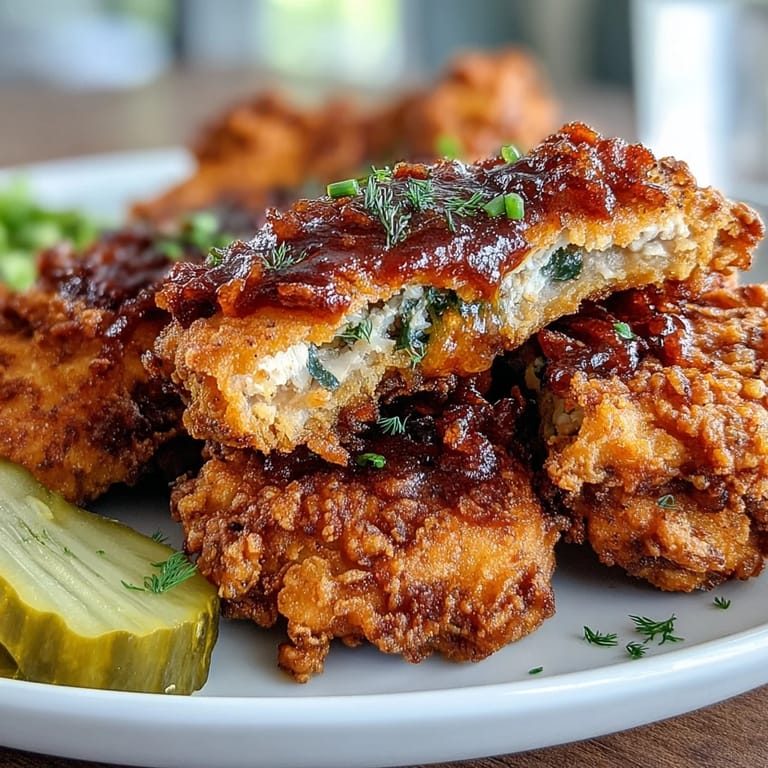 Save
Save However you serve these, whether with a tower of napkins or dainty dipping bowls, you’ll find yourself making them again just for the smiles they bring. Put out extra dips and watch them disappear.
Recipe FAQ
- → Why use pickle brine for marinating?
Pickle brine adds tanginess, infuses the chicken with flavor, and helps tenderize the meat for juicy results.
- → How can I make these tenders spicier?
Add cayenne pepper or hot sauce to the breading for extra heat according to your taste preference.
- → Can gluten-free flour be substituted?
Yes, use gluten-free flour and panko breadcrumbs to accommodate gluten-free dietary needs.
- → What's the minimum marinade time?
Marinate for at least one hour, but longer (up to overnight) enhances the flavor and tenderness.
- → What sauces pair well with these tenders?
Try classic ranch, honey mustard, spicy mayo, or a favorite dip to complement the tangy flavor profile.