 Save
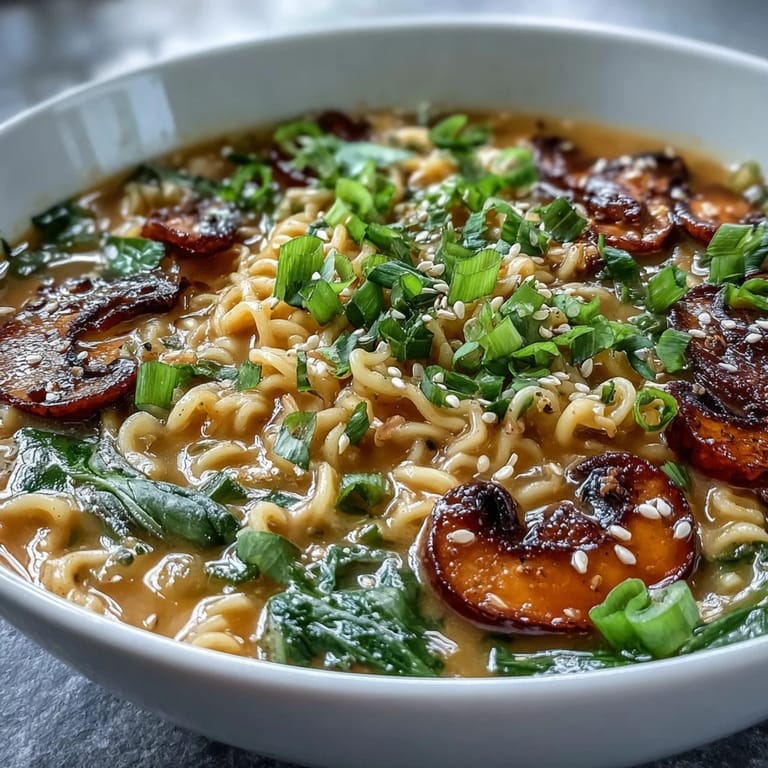
Save My friend Maya showed up at my door one rainy evening with a bag of coconut milk and red curry paste, insisting we cook something warm together. We had no real plan, just ingredients scattered across my kitchen counter and the sound of rain hitting the windows. By the time the broth started simmering, the whole apartment smelled like a Thai market, and I realized I'd been holding onto dried ramen noodles for months waiting for exactly this kind of moment. This coconut curry ramen became our go-to when we needed comfort without any fuss, and now I make it whenever the season shifts and I crave something that feels both nurturing and adventurous.
The first time I made this for my book club, I panicked because one member had gone vegan that month and I wanted her to feel genuinely welcomed. But watching her take that first spoonful, close her eyes, and smile while the steam rose from the bowl told me everything. She came back for seconds and asked for the recipe, which somehow meant more than any compliment about the flavor itself.
Ingredients
- Coconut oil: Use refined if you don't want coconut flavor to compete with the curry, or virgin if you want that subtle richness underlying everything.
- Yellow onion: The foundation of the broth; make sure to chop it finely so it softens into the liquid completely.
- Garlic and fresh ginger: These two need each other to wake up the broth, so don't skip either or rush past their toasting moment.
- Red curry paste: This is where most of the flavor lives, so taste your paste before committing to the amount and adjust if it seems particularly strong or mild.
- Ground turmeric: Adds earthiness and that warm golden color that makes the broth feel intentional.
- Vegetable broth: Use the best quality you can find; it's liquid gold here and carries everything else.
- Full-fat coconut milk: Don't use the light version; the richness is non-negotiable.
- Soy sauce or tamari: This adds umami depth that balances the sweetness of the maple syrup.
- Maple syrup: Just a touch to round out the spices without making the broth sweet.
- Sesame oil: A small amount gives a toasted, nutty finish that ties everything together.
- Cremini or shiitake mushrooms: Slice them evenly so they cook at the same pace and release their earthy flavor into the broth.
- Baby bok choy: Quarter it lengthwise so the pieces stay together and add visual structure to the bowl.
- Ramen noodles: Check the package because not all dried ramen is vegan; some brands use egg, so read carefully.
- Carrot: Julienne it thin so it cooks quickly and adds a subtle sweetness and crunch.
- Scallions, sesame seeds, chili, cilantro, and lime: These are the finishing touches that transform the bowl from delicious to memorable.
Tired of Takeout? 🥡
Get 10 meals you can make faster than delivery arrives. Seriously.
One email. No spam. Unsubscribe anytime.
Instructions
- Start your flavor base:
- Heat the coconut oil in a large pot over medium heat, then add the chopped onion. Let it soften for a few minutes, stirring occasionally, until it turns translucent and sweet-smelling. This foundation matters more than you might think.
- Wake up the aromatics:
- Add the minced garlic and grated ginger to the pot and stir constantly for about a minute until the smell becomes almost overwhelming in the best way. Don't let them brown; you're just releasing their essential oils.
- Toast the spices:
- Stir in the red curry paste and turmeric, then keep stirring for a minute so the spices toast slightly and lose their raw edge. This step feels small but makes a noticeable difference in depth.
- Build the broth:
- Pour in the vegetable broth and coconut milk slowly, stirring to combine everything smoothly. Add the soy sauce, maple syrup, and sesame oil, then bring everything to a gentle simmer. The broth should smell warm and inviting.
- Cook the mushrooms:
- Add the sliced mushrooms and let them simmer for 8 to 10 minutes until they've released their moisture and softened completely. This is when the broth gains its final depth.
- Prepare the noodles separately:
- While the mushrooms simmer, cook your ramen noodles according to package instructions in a separate pot of salted water. Drain them well and set aside; you don't want waterlogged noodles diluting your broth.
- Finish with vegetables:
- Stir the bok choy and julienned carrot into the simmering broth and cook for just 2 to 3 minutes until the bok choy is bright green and just wilted but still has a little resistance. This preserves their fresh quality.
- Season to taste:
- Taste the broth and adjust with salt and black pepper until it feels balanced and warm on your tongue. Don't be shy; seasoning is what separates okay broth from memorable broth.
- Assemble the bowls:
- Divide the cooked noodles among four serving bowls, then ladle the hot broth and all the vegetables over them, making sure each bowl gets mushrooms, bok choy, and carrot. The heat of the broth will warm the noodles perfectly.
- Garnish and serve:
- Top each bowl with sliced scallions, a sprinkle of toasted sesame seeds, fresh cilantro, and a few slices of red chili if you want heat. Serve with lime wedges on the side so each person can squeeze and adjust to their taste.
 Save
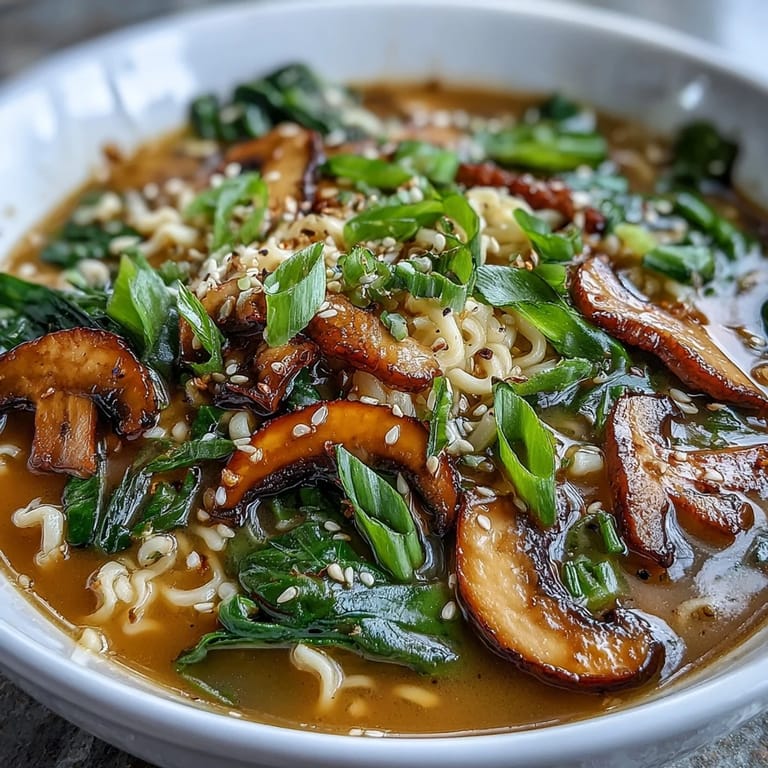
Save My neighbor came home from the hospital after knee surgery, and I made her a pot of this curry ramen because I knew she couldn't manage complicated cooking but needed real nourishment. Watching her sit at her kitchen table with a steaming bowl in front of her, finally smiling genuinely for the first time in weeks, reminded me that food is sometimes the only language that truly comforts.
Why Curry Paste Matters More Than You'd Think
I used to skip good curry paste and rely on turmeric and individual spices, thinking I could recreate the complexity myself. Then I tried a quality red curry paste from an Asian market, and the difference was immediate and undeniable. The paste carries fermented depth and rounded flavors that separate a flat broth from one that tastes intentional and professional. Now I always splurge on a good brand because it's the single ingredient that lifts this entire dish from ordinary to crave-worthy.
The Secret of Building Broth in Layers
This recipe isn't just dumping ingredients into a pot; it's about respecting the order and letting each component shine before the next joins. When you sauté the onion first, you're creating sweetness and depth. When you toast the spices, you're releasing their essential oils so they flavor the entire broth instead of sitting as bitter particles. When you add the mushrooms early, they give their umami to the liquid, making everything taste richer. This layering is what makes the final bowl taste like you've been cooking all day.
Customizing Without Losing the Soul of the Dish
I've made this recipe at least thirty times now, and I've learned that you can adapt it without breaking its essence. If you don't have bok choy, spinach or kale work beautifully, though they'll cook faster. If mushrooms aren't appealing, extra carrot or snap peas fill the bowl with the same texture contrast. For protein, crumbled tofu or cooked edamame slip in seamlessly and add substance. The beautiful part is that the broth stays strong enough to hold the dish together even when you're riffing with what you have.
- Always add extra vegetables after the mushrooms so they stay fresh and bright in the final bowl.
- If you're cooking for someone with a chili sensitivity, skip the red chili but keep the lime wedges for brightness.
- Leftovers keep for three days in the refrigerator, though the noodles soften; reheat the broth and cook fresh noodles if you're saving it long-term.
 Save
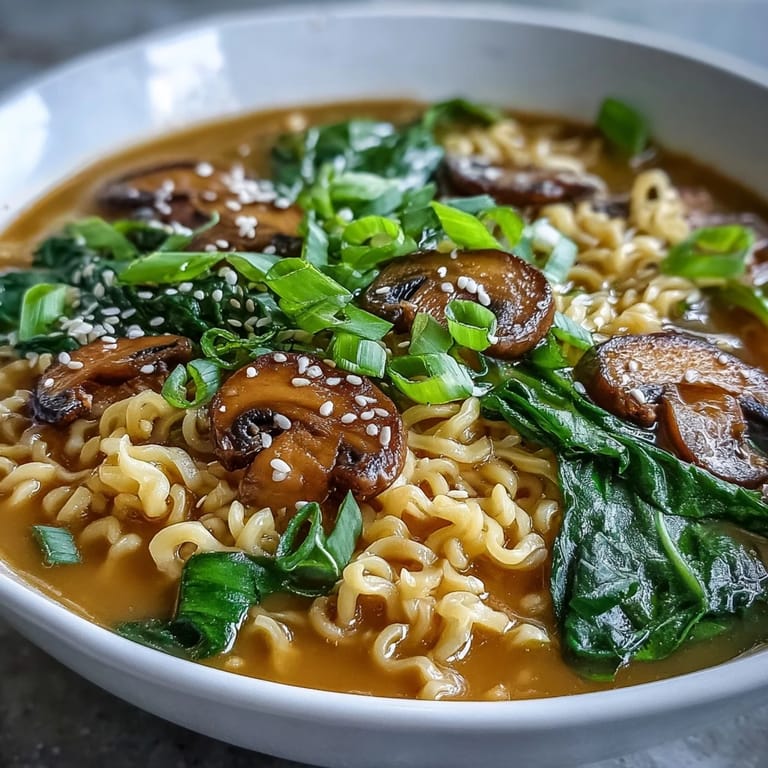
Save This curry ramen taught me that vegan cooking isn't about replacement or sacrifice; it's about honoring flavors and textures in their own right. Every bowl is warm, fragrant, and completely satisfying on its own terms.
Recipe FAQ
- → Can I make this gluten-free?
Yes, use tamari instead of soy sauce and select certified gluten-free ramen noodles. Most brands offer wheat-free options that work perfectly in this dish.
- → How long does this keep in the refrigerator?
The broth and vegetables store well for 3-4 days in an airtight container. For best results, keep noodles separate and combine when reheating to prevent them from becoming mushy.
- → Can I add protein to make it more filling?
Absolutely. Cubed tofu, edamame, or chickpeas work beautifully. Pan-fry tofu beforehand for crispy edges, or add chickpeas during the last 5 minutes of simmering.
- → What vegetables can substitute for bok choy?
Spinach, kale, or Swiss chard make excellent alternatives. Add these leafy greens in the final 2-3 minutes of cooking to maintain their texture and bright color.
- → Is the curry paste very spicy?
Red curry paste provides moderate heat. You can adjust the amount to your preference or choose a mild variety. Garnishing with fresh chili adds customizable spice levels.
- → Can I use light coconut milk?
While possible, full-fat coconut milk creates the rich, creamy texture that makes this bowl so satisfying. Light versions will be less luxurious but still flavorful.