 Save
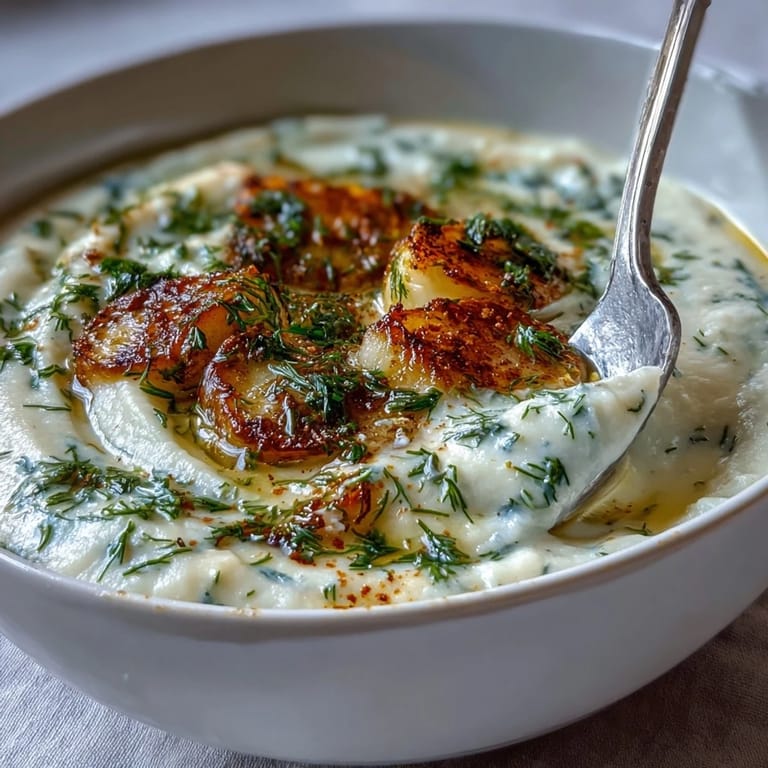
Save There's something almost meditative about watching parsnips transform in the oven, their pale flesh turning golden and impossibly sweet. I discovered this soup on a grey October afternoon when I was rummaging through the vegetable drawer and found three forgotten parsnips lurking in the back. Rather than let them go to waste, I decided to roast them instead of boiling, and that one small choice changed everything. The result was so silky and naturally creamy that I found myself making it again the following week, then the week after that. Now it's become my go-to whenever I want something that tastes indulgent but feels genuinely nourishing.
I made this for my mum on a Sunday when she was feeling under the weather, and watching her face light up at the first spoonful reminded me why I love cooking for people. She asked for the recipe immediately, and now she texts me photos of her version with different herb combinations. Food has a way of saying things words can't quite capture, and this soup became our little language that winter.
Ingredients
- Parsnips (800 g), peeled and chunked: Roasting them is the secret to this soup's depth; they caramelize slightly and develop a nutty sweetness that can't happen through boiling alone.
- Onion (1 medium), chopped: This acts as the aromatic foundation, so don't rush chopping it finely.
- Garlic cloves (2), peeled: Roasting softens their bite and makes them mellow and almost creamy in texture.
- Potato (1 medium), peeled and diced: This gives the soup body and helps it become naturally creamy without needing loads of cream.
- Vegetable stock (1 L): Use one you genuinely like drinking on its own, as it becomes the backbone of every spoonful.
- Whole milk or plant-based milk (200 ml): Add this at the end to preserve that silky mouthfeel without overpowering the delicate parsnip flavor.
- Olive oil (2 tbsp): Good quality makes a noticeable difference when roasting; cheap oil can turn bitter under heat.
- Bay leaf, fresh thyme, white pepper: These quiet the roasting, and white pepper keeps the soup's pale, elegant color intact.
- Fresh parsley, chives, and dill (2 tbsp each, roughly): Stir these in just before serving to keep their bright, fresh character alive.
Tired of Takeout? 🥡
Get 10 meals you can make faster than delivery arrives. Seriously.
One email. No spam. Unsubscribe anytime.
Instructions
- Start the oven and prep your vegetables:
- Heat your oven to 200°C and while it's warming, peel and chunk the parsnips into roughly 3-4 cm pieces so they cook evenly. Chop your onion into bite-sized pieces and leave the garlic cloves whole and unpeeled.
- Roast until golden:
- Toss everything with olive oil on a baking tray, spreading in a single layer so the vegetables can actually caramelize rather than steam. Turn them halfway through the 25-30 minutes, and you'll know they're done when the cut edges are deep gold and a fork slides through easily.
- Build your soup base:
- Transfer the warm roasted vegetables to a large saucepan, add your diced potato, bay leaf, thyme, white pepper, and stock. Bring it to a boil, then turn it down to a simmer for about 15 minutes until the potatoes are completely soft.
- Blend until silky:
- Fish out the bay leaf, then use an immersion blender or regular blender to work through the soup until there's not a single lump left. If using a regular blender, work in batches and be careful with the hot liquid.
- Finish gently:
- Return everything to the pan, pour in your milk, and warm it through without letting it boil, which would make the texture grainy. Taste and season generously with salt.
- Add the fresh herbs and serve:
- Stir through your chopped parsley, chives, and dill right at the end so they stay bright and vibrant. Ladle into bowls and finish with an extra drizzle of oil or a touch of cream if you fancy it.
 Save
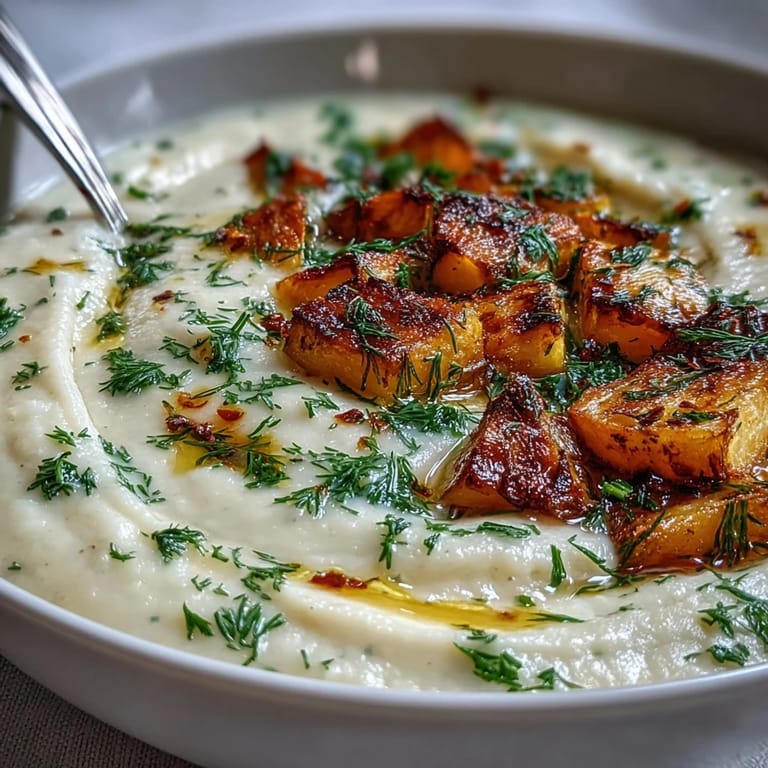
Save There's a moment near the end of making this soup when the kitchen fills with the smell of roasted parsnips and herbs, and everything feels suddenly purposeful and warm. It's the kind of smell that makes you stand still for a second and feel genuinely glad you're cooking something.
The Magic of Roasting Vegetables
I used to always boil parsnips, thinking that was simply what you did with them, until a friend suggested roasting them for soup instead. The difference was so stark that I started experimenting with roasting other vegetables too, and I've learned that this method works beautifully for nearly anything that grows underground. Root vegetables especially seem to have a secret sweetness that only reveals itself through dry heat, and once you taste that difference, you can't go back to boiling them.
Why Fresh Herbs Make All the Difference
I've made this soup with dried herbs when fresh weren't available, and it's perfectly fine, but there's an undeniable brightness that fresh herbs bring that dried versions simply can't match. The chives, parsley, and dill don't just season the soup; they give it a final lift that makes you think of spring gardens even in the depths of winter. I learned to add them at the very end rather than cooking them into the broth, which preserves their flavor and color.
Serving Suggestions and Storage
This soup pairs beautifully with crusty bread for dunking, or alongside a simple green salad if you want something lighter. It keeps well in the fridge for three or four days, and freezes wonderfully for up to three months if you skip the fresh herbs and milk until you reheat it. I like to serve it in shallow bowls so the garnish of herbs and oil shows off nicely on top.
- A crisp Sauvignon Blanc or dry cider complements the earthiness perfectly if you're dining more formally.
- Try adding a whisper of nutmeg to the pot if you enjoy warm spices, but use a very light hand.
- If you want extra creaminess without dairy, blended cashew cream stirred in at the end is a lovely substitute.
 Save
Save This is the kind of soup that becomes a quiet favorite, the one you make without thinking because your hands remember the steps. It's nourishing without pretension, and elegant without fuss.
Recipe FAQ
- → Can I freeze this soup?
Yes, freeze for up to 3 months. Cool completely, transfer to airtight containers, and thaw overnight in the refrigerator. Reheat gently, adding extra liquid if needed.
- → What herbs work best in this?
Parsley, chives, and dill create the classic combination, though fresh tarragon or basil also pair beautifully with parsnips' natural sweetness.
- → How do I get the smoothest texture?
Roast vegetables until completely tender, blend thoroughly in batches if using a standard blender, and strain through a fine mesh for ultra-silky results.
- → Can I use different root vegetables?
Yes, replace half the parsnips with carrots, celeriac, or sweet potato. Adjust cooking time as needed until all vegetables are fork-tender.
- → Is roasting necessary?
Roasting deepens flavor through caramelization, though you can simmer raw vegetables directly in stock for 30-35 minutes instead. The result will be slightly less sweet.