 Save
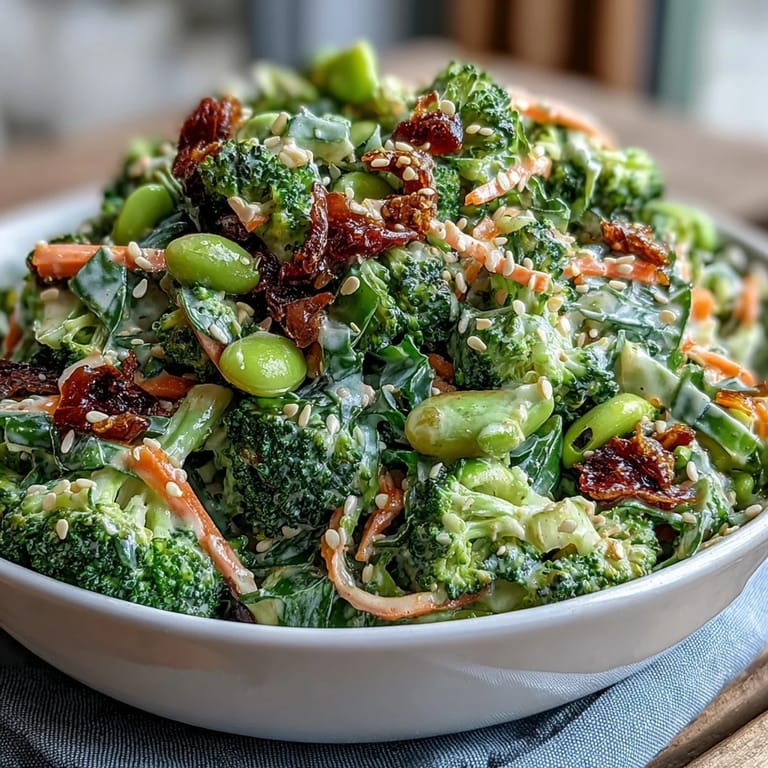
Save My coworker Sarah brought this salad to a potluck last spring, and I watched three people go back for seconds before I even got to try it. When I finally loaded my plate, that first bite was revelatory—the broccoli stayed crisp, the dressing hit perfectly between savory and sweet, and there was this toasted sesame aroma that made everything feel intentional. I asked for the recipe on the spot, and now it's become my go-to when I need something that looks impressive but doesn't require any actual stress.
I made this for a work lunch last month and brought extra for my desk neighbor who was stuck eating sad sandwich leftovers. Halfway through, he asked what made it taste so good, and I realized it wasn't any single ingredient—it was the combination of textures and that ginger-forward dressing that just made everything sing together. He's been making it ever since, which is honestly the highest compliment I can get.
Ingredients
- Broccoli florets: Chop them bite-sized so they don't feel like you're eating an actual tree, and the smaller pieces actually soak up more dressing.
- Purple cabbage: This isn't just for color—it adds a subtle sweetness and holds up better than regular cabbage when it sits in dressing.
- Carrots: Shred them thin enough that they soften slightly from the dressing but still maintain that pleasant snap.
- Edamame: Already cooked and ready to go, which means you're basically just thawing instead of cooking—the easiest protein boost ever.
- Green onions: Slice them fresh right before assembly because they lose their brightness if they sit around too long.
- Bell pepper: Any color works, but I love mixing colors for visual interest and because different colored peppers have slightly different flavor notes.
- Sesame seeds: Toasting them yourself takes five minutes and changes everything—they go from subtle to nutty and fragrant.
- Soy sauce: Use tamari if gluten matters to you, and don't skip this because it's the backbone of the whole dressing.
- Rice vinegar: This is gentler than regular vinegar and brings a clean brightness without being aggressive.
- Sesame oil: Just a tablespoon is enough—it's potent in the best way and gives everything that toasty, umami depth.
- Honey or maple syrup: This balances the salty and tangy elements, so don't undersell its importance.
- Fresh garlic and ginger: Both minced and grated respectively, and fresh is non-negotiable here because the jar versions just don't compare.
Tired of Takeout? 🥡
Get 10 meals you can make faster than delivery arrives. Seriously.
One email. No spam. Unsubscribe anytime.
Instructions
- Prep your vegetables with intention:
- Get your cutting board set up and work through the broccoli, cabbage, carrots, bell pepper, and green onions one by one. This isn't a race—uniform sizes mean everything cooks and dresses evenly, so take your time with the shredding and slicing.
- Handle the edamame:
- If you're starting with frozen, follow the package timing and then let them cool completely before you toss them in. They'll be a little tender, so treat them gently when you're mixing everything together later.
- Toast those sesame seeds:
- Heat your skillet over medium and listen for the moment they start to smell nutty and toasted, around 2 to 3 minutes with constant stirring. You'll know they're done when they're golden and the scent hits your nose—overshooting by even 30 seconds turns them bitter, so stay present.
- Build your dressing:
- In a small bowl, whisk the soy sauce, rice vinegar, sesame oil, honey, garlic, and ginger together until smooth and emulsified. Taste it straight from the whisk—it should taste almost slightly aggressive on its own, because it mellows when it meets the vegetables.
- Combine everything thoughtfully:
- Toss all your vegetables and edamame into a large bowl, pour the dressing over top, and mix gently but thoroughly so every piece gets coated. The key is not mashing anything, just making sure the dressing reaches everything.
- Finish with intention:
- Top with those toasted sesame seeds right before serving so they stay crispy. If you're making this ahead, you can store it in the fridge for up to two days and the flavors actually deepen, which is a gift.
 Save
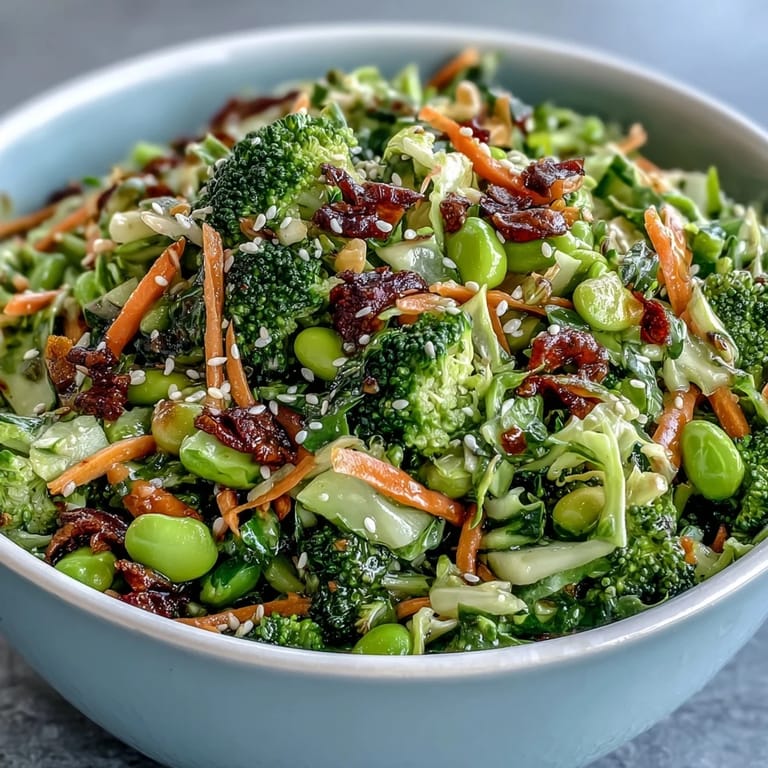
Save There was this moment during a particularly rough week when I realized I'd made this salad four times, and each time someone asked me for the recipe or complimented how good it tasted. It reminded me that sometimes the most nourishing thing isn't just nutrition—it's knowing you're making something that genuinely makes people happy. That realization stuck with me.
Why This Salad Works as Meal Prep
I started making this on Sunday nights and portioning it into containers, and it's held up better than anything else I've tried. The vegetables don't wilt because they're sturdy enough to handle a few days in dressing, the edamame stays firm, and the dressing actually keeps everything fresher rather than making it soggy. By Wednesday, the flavors have deepened instead of faded, which is honestly rare in salad territory.
Playing with Toppings and Swaps
One night I added some crushed almonds on top, and it became my new favorite texture variation—suddenly there was this warm, buttery element alongside everything else. I've also swapped edamame for chickpeas when I was out, and it works beautifully, though edamame gives a lighter feel while chickpeas add more heft. The beauty of this salad is that it's forgiving enough to let you play around and still turn out delicious.
Pairing Ideas and Next Steps
I've served this alongside grilled chicken, tossed it with shredded tofu, and even laid some shrimp on top for a light dinner. It's flexible enough to be a full meal or a supporting player, and it genuinely makes whatever you pair it with taste better because the flavors are so well balanced. On warmer evenings, this becomes my entire dinner because it's light but satisfying in all the right ways.
- Toast your sesame seeds right before you assemble the salad so they stay crispy and don't absorb moisture from the dressing.
- Make extra dressing because you'll want it on grains or leftover proteins throughout the week, and it keeps for days.
- Taste the dressing before you toss everything together so you can adjust the balance if your particular soy sauce runs saltier or milder than expected.
 Save
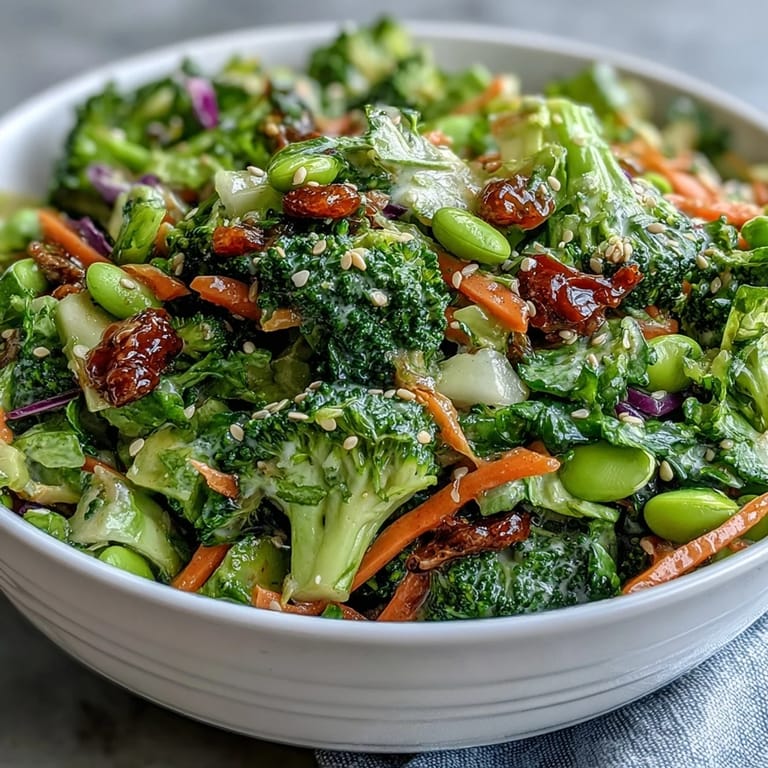
Save This salad has quietly become one of my most-made recipes, the kind that shows up when I'm being kind to myself and when I'm feeding other people. It's that rare dish that tastes like you tried without actually requiring much effort.
Recipe FAQ
- → How do I get the broccoli tender but still crunchy?
Chop broccoli into bite-sized florets and quickly blanch or steam it for 2-3 minutes to soften while maintaining crunchiness before cooling it down.
- → Can I substitute edamame with another ingredient?
Yes, chickpeas or cooked lentils provide similar texture and protein if you prefer a different legume.
- → How should sesame seeds be toasted?
Toast sesame seeds in a dry skillet over medium heat, stirring frequently for 2-3 minutes until golden and fragrant to enhance their nutty flavor.
- → What variations can I make to the dressing?
Adjust ingredients like honey or syrup to taste, swap soy sauce with tamari for gluten-free, and add more ginger or garlic for a spicier profile.
- → How long does this dish keep fresh?
Store covered in the refrigerator for up to 2 days; flavors deepen, but vegetables stay crisp best within this timeframe.