 Save
Save I stumbled onto this dish during a particularly restless Tuesday, flipping through a travel journal filled with scribbled notes from three different continents. On one page, my handwriting described the maze of spice stalls in Istanbul; on another, the sizzle of a wok in Bangkok's street markets; and tucked between them, a faded napkin sketch of a mezze table in Athens. That night, standing in my kitchen with no particular plan, I wondered: what if I could bring all three memories to my plate at once? This recipe was born from that reckless idea—three flavor worlds cooking simultaneously, each bold enough to stand alone, yet somehow better when they're standing side by side.
The first time I made this for people, my friend Marcus arrived early and watched me line up three pans like I was orchestrating something grand. He laughed and said it looked like I was cooking three different dinners. When we sat down and he took a forkful of eggplant, then mushrooms, then chickpeas all together, his whole face changed. That's when I realized this wasn't just a recipe—it was permission to be playful about cooking.
Ingredients
- Mediterranean Cluster: The eggplant and zucchini are your foundation here; they soften beautifully and absorb flavor while the cherry tomatoes pop with brightness at the last moment.
- Asian Cluster: Toasted sesame oil is non-negotiable—the difference between this tasting alive and tasting flat, so don't skip the toasting step if you're starting from raw.
- Middle Eastern Cluster: The spice trio of cumin, coriander, and cinnamon creates warmth that feels intentional rather than random; use fresh spices if you can.
- Garnishes: Sesame seeds and fresh herbs transform this from a dish into an experience—toast the seeds yourself if you have time, and pick the herbs last so they stay bright.
Tired of Takeout? 🥡
Get 10 meals you can make faster than delivery arrives. Seriously.
One email. No spam. Unsubscribe anytime.
Instructions
- Set Your Stage:
- Prep every vegetable before you heat a single pan—this is cooking jazz, and you need all your instruments ready. Having everything waiting in bowls means you can move quickly and keep each cluster singing.
- Build the Mediterranean:
- Start the eggplant alone so it gets a head start on softening, then add the others in waves. You want the kitchen smelling like oregano and garlic before anything else happens.
- Wake Up the Asian:
- Sesame oil has a lower smoke point, so medium-high is the sweet spot—you're looking for sizzle, not burn. The mushrooms should caramelize slightly at the edges while everything else stays crisp.
- Layer the Middle Eastern:
- Soften the onion first; it's the quiet beginning that makes everything else work. The chickpeas should warm through and absorb the spice warmth, and the lemon juice goes in last so it stays bright.
- Bring It All Together:
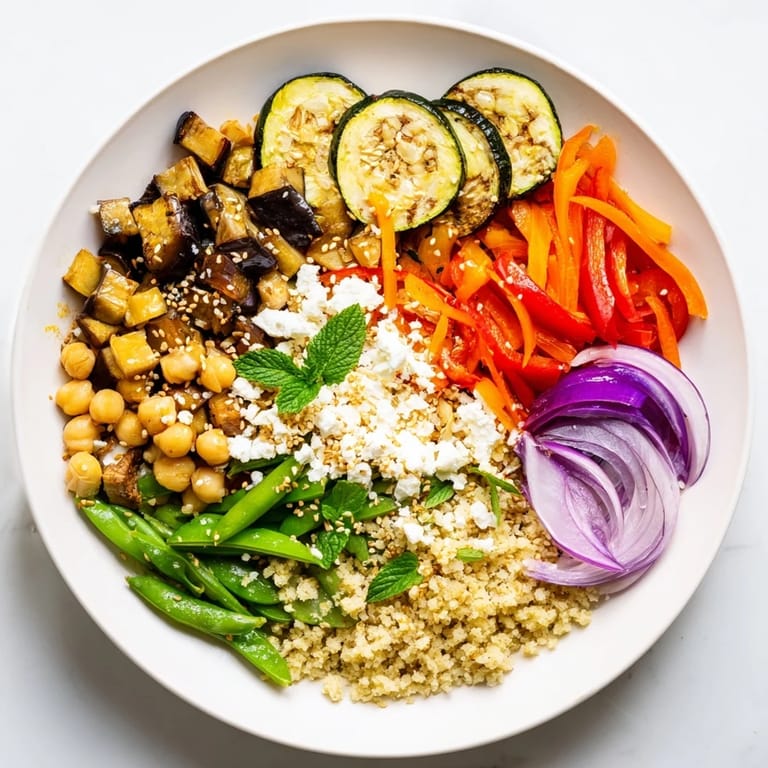
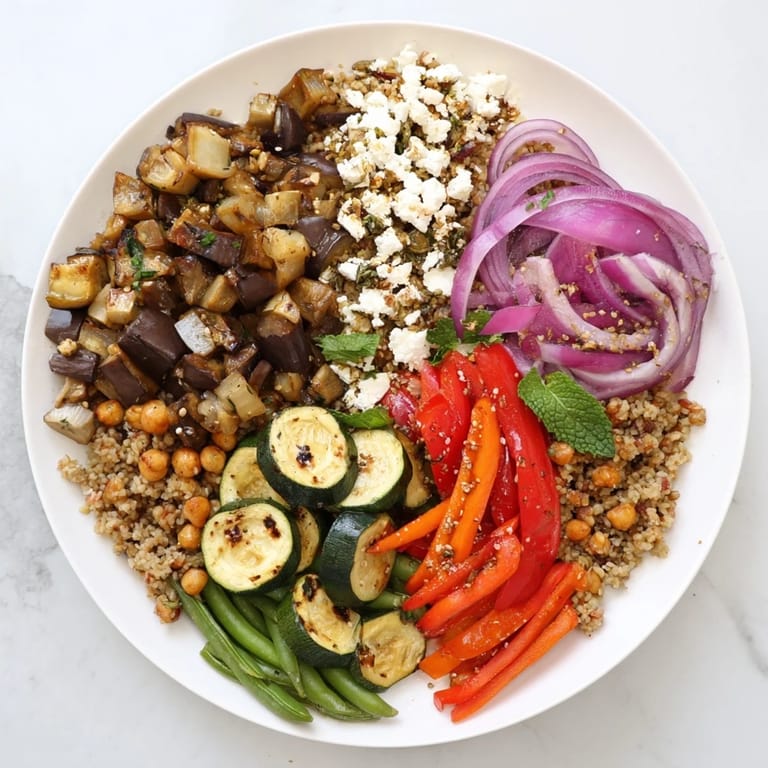
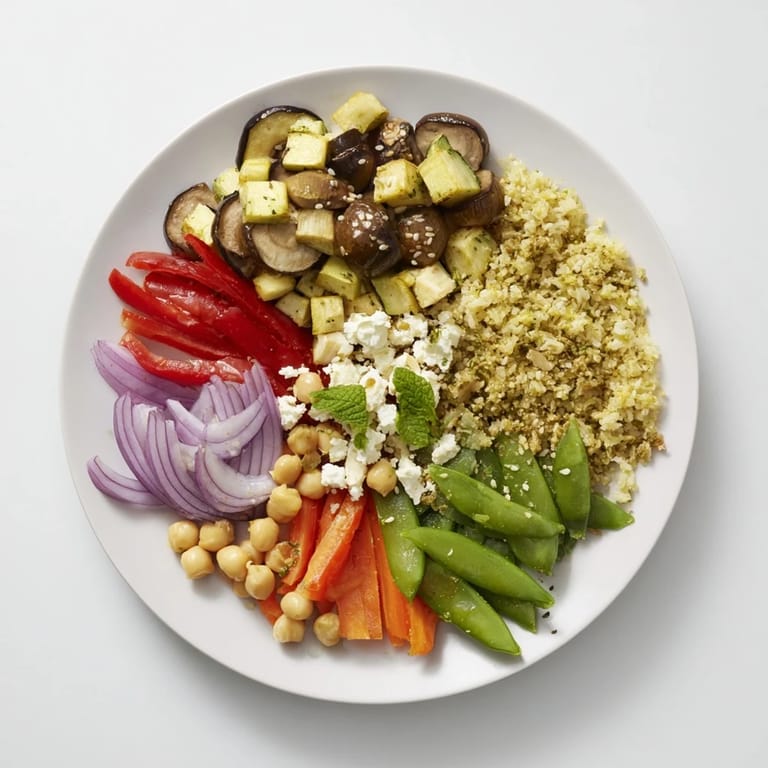
- Arrange the three clusters so they're touching but distinct, like three friends standing close but still themselves. This is where the magic happens—let people build their own bites.
 Save
Save There's a moment that happens every time I make this—it's when people stop eating individually and start passing dishes across the table, creating their own flavor conversations. Someone always asks, "Wait, is this supposed to go together?" and the answer is yes, and no, and whatever you want it to be. That's the whole point.
The Three-Pan Philosophy
Cooking three things at once sounds chaotic, but it's actually liberating. You're not juggling—you're letting each cluster breathe in its own pan, building flavors independently. Once you realize they cook at similar speeds, you stop panicking and start enjoying the rhythm of it.
Making It Your Own
This recipe is a template, not a rulebook. If you've got bok choy instead of snap peas, use it. If you love roasted chickpeas more than tender ones, roast them. The magic is in respecting the three flavor worlds while making space for your own ingredients.
Timing and Plate Play
Serve everything warm but not piping hot—you want the flavors to taste intentional rather than blurred together by heat. The clusters should be easy to eat separately or mix; the fun is in the choice, not in the confusion. There's something deeply satisfying about a plate where every element has its own voice.
- Warm your plates for five minutes before serving so the food stays at the right temperature longer.
- If you're feeding people who like strong flavors, double the garlic and ginger—there's always someone in the crowd.
- This tastes even better the next day when the flavors have had time to know each other.
 Save
Save This dish taught me that you don't need to choose between the cuisines you love. A plate can hold contradictions and still make perfect sense. Serve it, watch people discover it, and let the conversation flow as naturally as the flavors do.
Recipe FAQ
- → How do the flavor clusters differ in cooking methods?
Each cluster is sautéed separately to highlight its unique ingredients and spices, preserving individual textures and aromas before serving together.
- → Can I substitute ingredients for dietary preferences?
Yes, quinoa can replace bulgur for gluten-free needs, and tofu, grilled chicken, or lamb can be added for extra protein.
- → What garnishes complement the clusters best?
Toasted sesame seeds, fresh mint or cilantro, and crumbled feta (optional) enhance texture and flavor contrasts.
- → What side dishes work well with these clusters?
Flatbread or steamed rice pair well, adding balance and fullness to the overall meal.
- → How should this dish be served for best experience?
Arrange the three clusters side by side, serve warm, and encourage mixing flavors to enjoy a harmonious blend.